Collier County small claims court handles civil dispute claims involving smaller amounts of money in a simple and efficient way. It gives people and businesses a clear path to settle minor court cases without long legal delays. This court focuses on quick claims resolution, making it easier for parties to present their issues and reach fair outcomes. Many cases include unpaid bills, contract disputes, or property damage. The process stays straightforward, so most people can file and manage their cases without needing legal representation, which keeps costs low. This system remains open and practical for both residents and business owners who need a reliable way to resolve disputes. It supports easy filing steps, organized hearings, and faster decisions compared to higher courts. Knowing how to search records and file claims correctly plays a key role in successful outcomes. A proper case search helps track updates, hearing dates, and final judgments.
Staying aware of filing rules and deadlines helps avoid delays and strengthens the chances of smooth claims resolution in the court process. Clear communication between both parties and the court helps move each case forward without confusion. Accurate documents, receipts, and written agreements can support strong claims and improve results. Court staff provide basic help with forms and procedures, which makes the process easier to follow. Many cases reach settlement before a final hearing, saving time for everyone involved. Regularly checking case status and preparing for hearings builds confidence and reduces stress during the legal process. This approach keeps minor court cases organized and supports fair outcomes for all parties.
What Are Small Claims Court Cases in Collier County?
Small claims cases in Collier County involve low-value civil disputes handled through a simplified court process. They focus on quick and fair resolution without complex legal steps. In small claims cases Collier County FL, the Collier County Court handles civil disputes where the amount in question stays within a set limit, usually up to $8,000, excluding court costs and interest. These cases often include unpaid debts, landlord-tenant issues, property damage, or breach of simple agreements. The process is designed for speed, so hearings are scheduled faster than standard civil cases. Many people choose to represent themselves, which keeps the system easy to use and cost-effective. Additionally, small claims court procedures are structured to reduce legal complexity, allowing individuals without formal legal training to file and present their cases confidently. Filing fees are generally lower compared to higher courts, making it more accessible for everyday disputes.
Monetary Limits and Court Jurisdiction
The court’s authority applies only to claims within the defined financial limit. Any dispute above this amount moves to a higher civil court. This limit helps keep minor court cases manageable and allows judges to handle them quickly. It also ensures that simpler disputes, such as unpaid debts or small contract disagreements, are resolved without unnecessary legal delays. By maintaining a clear financial boundary, the system promotes efficiency and fairness for all parties involved. Additionally, it reduces the burden on higher courts, allowing them to focus on more complex legal matters that require detailed proceedings and extended judicial review processes.
- Unpaid loans or invoices
- Security deposit disputes
- Repair or service disagreements
- Minor property damage claims
Small Claims vs Other Civil Courts
Small claims court differs from other civil courts in both procedure and complexity. Traditional civil courts involve formal rules, longer timelines, and often require legal representation. In contrast, small claims court uses a simplified dispute resolution process with fewer legal steps. This makes it more accessible for individuals who want to resolve disputes quickly without hiring an attorney. Filing fees are generally lower, and hearings are scheduled sooner, allowing faster case resolution. Judges in small claims court often guide the process to ensure fairness, even for those without legal knowledge. Additionally, the rules of evidence are less strict, making it easier to present your case effectively.
- Faster hearings and decisions
- Lower filing fees
- Limited use of formal legal procedures
- Easier filing for non-lawyers
How to Search Small Claims Cases in Collier County
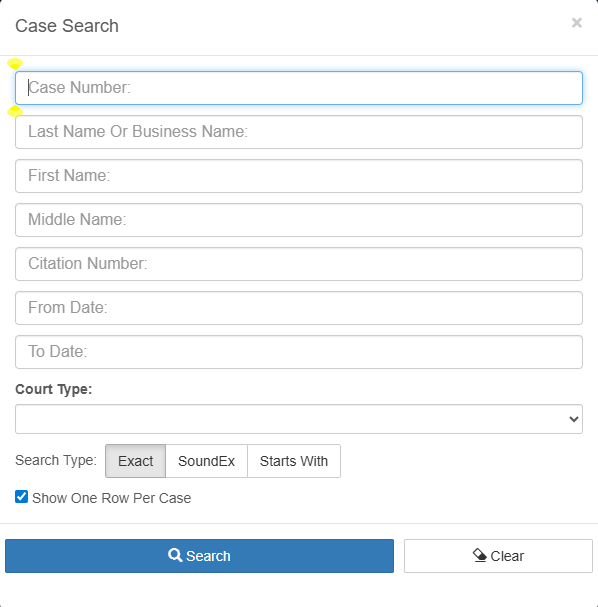
Small claims case searches in Collier County are handled through the Clerk of the Circuit Court online system. Users can check Collier County Clerk of the Circuit Court small claims court records through a public case lookup system that shows case status, hearings, and filings. The system allows searching by party name, case number, or filing date for quick access to records. Users can also view docket updates, court dates, and document history in real time. Some detailed documents may require a free public account or in-person request. The database is updated regularly to ensure accurate and transparent access to court information.
Official Site: https://www.collierclerk.com/online-services/court-records-search
Open the Official Court Records Portal
Open the Official Court Records Portal to access verified court documents, case details, and filing information in a secure and organized way. This online system allows users to search records by case number, party name, or filing date, making it easier to find relevant legal information without visiting the courthouse. You can view civil, criminal, probate, and traffic case updates in real time. Always ensure you are using the official government website to avoid incorrect data. The portal also provides downloadable copies, hearing schedules, and docket summaries for public convenience.
- Go to the Clerk of Court online search page using the official website link above.
- This system provides public court records for civil, criminal, probate, and traffic cases.
- The page loads the main court case search dashboard.
Select “Case Search” Option
- Case Search or Court Records Search
- This opens the case lookup system used for small claims and civil disputes.
Choose Search Method
Users can locate minor court cases using different filters.
Case Number Search
- Enter full case number
- Fastest method
- Best for exact results
Party Name Search
- Enter plaintiff or defendant name
- Useful when case number is unknown
- Try full spelling for better results
Filing Date Search
- Select date range
- Helpful for recent filings or older disputes
Review Search Results
- Case status appears (open/closed)
- Hearing dates are listed
- Filing history shows updates
- Judgment details may appear in civil disputes
Case Filing Structure and Legal Initiation Process
A small claims case in Collier County begins when a plaintiff formally submits a claim to the court. This legal action starts the official process of initiating a court case and places the dispute into the civil court system. The process of small claims filing, along with probate court matters where applicable, begins with a written complaint that outlines the issue, the amount claimed, and the reason for the dispute. This document becomes the foundation of the case. Once submitted to the Clerk of Court, the filing is recorded in the system, and the case is assigned a unique case number. This marks the official start of initiating a court case within the small claims division. After filing, the Clerk issues a summons and ensures the defendant is properly served with notice of the claim, allowing them an opportunity to respond within a specified timeframe. The defendant may file an answer, dispute the claim, or attempt settlement before the hearing.
Role of Plaintiff in Filing
The plaintiff is the party who starts the case. This person or business believes harm or financial loss occurred due to another party’s actions or failure to act. The plaintiff provides additional details, documents, and supporting facts to clearly explain what happened and what remedy is being requested from the court. This may include compensation, enforcement of a right, or other legal relief. The plaintiff is also responsible for filing the initial complaint or petition and paying required court fees. During the case, the plaintiff must present evidence, respond to court procedures, and may also participate in settlement discussions before trial or judgment.
- A clear statement of the claim
- Supporting documents such as receipts or agreements
- The amount being requested for recovery
Role of Defendant in the Case
The defendant is the party being accused of causing the dispute. After filing, the court issues a notice to the defendant, informing them about the claim. The defendant then has the right to respond, either by accepting, disputing, or filing a counterclaim. This response becomes part of the legal filing procedure and ensures both sides are heard equally. In addition, the defendant’s written response must usually be submitted within a specified deadline set by the court, failing which the court may proceed with a default judgment. The defendant may also present evidence, legal arguments, and witness statements to support their position. In many cases, pre-trial motions or settlement discussions may occur before a full hearing. This stage is essential in maintaining fairness, due process, and transparency in civil litigation proceedings within the judicial system.
Legal Recognition of the Claim
Once the filing is accepted by the Clerk of Court, the claim becomes an official court matter. The case is then scheduled for review, hearing, or mediation depending on its nature. At this stage, the dispute enters the structured court process and becomes part of the public record. The legal system treats every valid filing as a formal request for resolution. This step is important because it activates court authority and allows judges to review evidence, hear arguments, and decide outcomes based on law. Through this structured approach, civil dispute claims move from private disagreement to formal court proceedings in a clear and organized manner. In addition, both parties are officially notified through legal summons or notices, ensuring due process is maintained. Deadlines for responses, document submission, and motions are established by the court to keep the case on track. Discovery procedures may also begin, allowing each side to exchange relevant information and evidence. This ensures transparency and fairness in the proceedings. Court clerks continue to manage filings and updates, while judges oversee procedural compliance. As the case progresses, opportunities for settlement may still arise, often encouraged to reduce trial time and resolve disputes efficiently before a final judgment is issued.
Documentation and Evidence Requirements in Claims Cases
Small claims cases in Collier County depend heavily on proper documentation and valid evidence. Strong claim documentation supports the court in reviewing facts and reaching fair outcomes in civil disputes. In court documents used for small claims filing, every piece of information must clearly support the claim. These documents act as the foundation of legal proof and help establish what happened between both parties. Without proper records, the court may find it difficult to confirm the facts of the case.
Types of Acceptable Evidence
These may consist of written documents such as contracts, agreements, invoices, and official records that help establish facts in a case. Courts may also consider witness testimony provided under oath, which allows individuals to present their account of events. Physical evidence like photographs, emails, surveillance footage, and digital data is frequently reviewed to support claims. In some situations, expert reports from professionals such as doctors, engineers, or forensic specialists are also submitted to assist the court in understanding technical matters and reaching a fair decision based on verified information accurately.
- Written contracts or agreements
- Receipts and invoices
- Photographs showing damage or condition
- Email or message records
- Bank statements or payment proof
Importance of Proper Documentation
Clear and organized claim documentation helps both the plaintiff and defendant present their side effectively. When records are complete, the court can quickly understand the dispute and reduce delays in the process. Missing or unclear documents may weaken the case and affect the final outcome. Well-prepared documentation also reduces confusion during hearings. It allows judges to focus on facts instead of missing details or unclear statements.
- Keep all records in chronological order
- Use clear copies of original documents
- Match evidence with specific claims
- Label each file for easy reference
- Avoid incomplete or unclear submissions
- Keep both digital and printed copies ready
Legal Validity of Proof
Courts also consider the chain of custody when determining whether evidence is admissible, ensuring that it has been properly collected, handled, and stored without tampering. The burden of proof lies on the presenting party to demonstrate that the evidence is credible and legally obtained. In many cases, supporting testimony from witnesses or experts is required to validate technical or complex materials. Judges assess consistency, reliability, and context before accepting any document or item as part of the record. Evidence that fails to meet procedural standards or raises doubts about integrity may be excluded from consideration entirely during trial proceedings.
Submission Standards
All evidence must be submitted according to court requirements. Documents should be clear, readable, and properly labeled. In many cases, copies are submitted first, while originals may be requested during hearings. Following correct evidence submission practices helps maintain order in proceedings and supports fair review of civil dispute claims in small claims court. Additionally, parties must ensure that all evidence complies with the court’s admissibility standards, including relevance, authenticity, and proper chain of custody where applicable. Electronic submissions, when permitted, should follow the court’s e-filing guidelines and formatting rules. Late or improperly submitted documents may be rejected or disregarded by the judge. It is also important to provide sufficient copies for all involved parties, including the opposing side and the court clerk. Proper organization, indexing, and timely submission of evidence significantly improve clarity and support a smoother evaluation process during hearings and review.
Judicial Review and Case Progression Timeline
After filing a small claims case in Collier County, the court begins a structured review that moves the dispute through different stages. This court process timeline helps track how a case progresses from filing to final claims resolution. Once a claim is submitted, the court first reviews the documents for basic compliance. The Clerk records the case, assigns a case number, and forwards it for judicial review. At this stage, the judge does not decide the outcome yet. Instead, the focus stays on confirming that the filing meets legal requirements and falls within small claims limits.
Court Scheduling Process
After acceptance, the court sets a schedule for the case. The defendant receives official notice of the filing and hearing date. This step is part of the formal case progression system and gives both parties time to prepare. Additional procedural instructions may also be included, outlining deadlines for responses, evidence submission, and pre-trial motions. The court may further assign a case number and designate a judge for oversight. Both parties are expected to follow the timeline strictly, ensuring orderly proceedings and preventing unnecessary delays in the judicial process. Proper notification also ensures due process and fairness in all stages of the case.
- Assignment of hearing date
- Notice sent to defendant
- Confirmation of jurisdiction
- Deadlines for responses or counterclaims
Pre-Trial Handling
During this stage, parties may also engage in discovery, where relevant documents, evidence, and witness information are exchanged to build each side’s case. Judges or court-appointed mediators often oversee discussions to encourage fair and efficient outcomes. Pre-trial motions may be filed to resolve procedural issues before trial, such as dismissing claims or narrowing disputed matters. Scheduling conferences are also held to set timelines for hearings and submissions. This structured process helps reduce court backlog and promotes faster, cost-effective dispute resolution while maintaining legal fairness and transparency in the system overall.
- Document review by both sides
- Settlement discussions
- Exchange of evidence summaries
- Possible mediation sessions
Hearing Progression
If no settlement occurs, the case moves to court hearings. During this stage, both parties present evidence, witness statements, and arguments. The judge reviews all materials before making a decision. Each side is also allowed to cross-examine witnesses to challenge the credibility and accuracy of testimony presented in court. Legal representatives may submit additional documentation, expert reports, and legal precedents to strengthen their case. Court procedures are conducted according to established rules of evidence and procedure to ensure fairness. After considering all arguments, the judge may issue a ruling immediately or take time to review complex details before delivering a final judgment in written form. This ensures transparency, accountability, and a fair resolution based on presented legal facts in court.
- Opening statements from both sides
- Presentation of evidence
- Questioning and clarification
- Final remarks
| Stage | What Happens | Purpose |
|---|---|---|
| Filing & Registration | Case is submitted and assigned a case number | Official entry into court system |
| Judicial Review | Judge reviews filing for eligibility | Confirms legal validity |
| Scheduling | Hearing date is set and notices sent | Prepares both parties |
| Pre-Trial Stage | Settlement talks and document exchange | Early claims resolution attempt |
| Court Hearing | Evidence and arguments are presented | Formal dispute evaluation |
| Final Judgment | Judge issues decision | Final outcome of civil dispute |
Court Location and Contact Information
The Collier County Clerk of Court serves as the main office for handling small claims filings, records, and public court services. This office manages all official court location services, including civil dispute claims and record requests. The Collier County Clerk of Court operates as the central hub for court filings and public record access. It supports residents and businesses by maintaining accurate court office information and assisting with case-related services. Most small claims filings and record searches are processed through this office.
Address
- Collier County Clerk of Court
- 3315 Tamiami Trail East
- Naples, FL 34112
- United States
Office Hours
- Closed on weekends and public holidays
- Monday to Friday: 8:00 AM – 5:00 PM
Frequently Asked Questions
It refers to common questions people ask about a topic, along with clear answers that explain key points in a simple way. In small claims court FAQs, users usually look for help related to civil dispute claims, court rules, and basic legal process questions. These FAQs help individuals understand filing procedures, required documents, court fees, hearing schedules, and possible outcomes of a case. They also guide people in preparing evidence, presenting arguments, and following proper etiquette in court. Overall, FAQs simplify legal information for better public understanding and accessibility easily.
What is the claim limit in Collier County small claims court?
The claim limit in Collier County small claims court usually allows monetary disputes up to a set legal cap set by Florida law. This limit applies to civil dispute claims such as unpaid bills, property damage, or contract issues. Cases above this amount move to higher civil courts. This system helps keep minor financial disputes simple and within small claims jurisdiction. Small claims procedures are designed to be faster and less formal than traditional court proceedings, allowing individuals to represent themselves without requiring an attorney in most situations. Filing fees, evidence submission rules, and hearing schedules are simplified to improve accessibility.
How can case records be accessed?
Case records can be accessed through the official Clerk of Court system, which provides both online and in-person options. Users can perform court records access by searching case numbers, party names, or filing dates. These records are part of public information and help track ongoing or completed cases related to civil dispute claims. In addition, many clerk portals allow users to download or request certified copies of documents, view docket updates, and check hearing schedules. Some records may require small processing fees or registration, while sensitive or sealed cases remain restricted under court privacy rules and legal regulations.
What is the typical duration of a case?
The duration of a small claims case depends on court scheduling, response time, and case complexity. Many cases move from filing to hearing within a few weeks to a few months. Delays may occur if additional hearings or documentation are required. The overall timeline is designed to support faster resolution of legal process questions compared to standard civil cases. Actual duration may also vary based on how quickly parties are served with court papers, whether settlement discussions take place, and the availability of the judge or magistrate. In some jurisdictions, mandatory mediation can shorten timelines by resolving disputes before a hearing.
Are legal representatives required in small claims cases?
Courts often provide self-help resources, forms, and guidance to assist individuals who choose to represent themselves. In many jurisdictions, small claims procedures are designed to be straightforward, with simplified filing requirements and informal hearings. Judges may also explain basic procedures during the session to ensure fairness. Additionally, parties can seek mediation services to resolve disputes before trial, saving time and expenses. This system encourages efficient resolution of minor financial or property disputes while maintaining accessibility and equal opportunity for all litigants within the legal framework of civil courts system fairness.
How are court judgments enforced?
Once a judgment is issued, enforcement may include actions like wage garnishment, property liens, or bank account collection depending on the case. The winning party may request enforcement through the court system. These steps ensure that court decisions in legal process questions are properly carried out. Enforcement procedures typically begin when the judgment creditor files the necessary motion or writ with the clerk of court. Law enforcement agencies or court-appointed officers may assist in executing these orders. Defendants are usually notified before any collection activity occurs, allowing limited time to respond or settle the debt voluntarily. In some situations, payment plans or negotiations may be approved by the court.