Collier County Clerk of Court Records Office manages official court documentation for all legal cases filed within the county. It keeps civil, criminal, family, probate, and traffic records organized in a structured system for legal use and public reference. It also plays a central role in maintaining accurate court records Collier County residents and legal professionals rely on for verification and case tracking. The Collier County Clerk of Court Records Office functions as the official judicial documentation authority responsible for collecting and storing all court-related filings. It records information from hearings, case submissions, and final judgments across multiple court divisions. These records are then organized within a structured county court record management system that supports daily court operations.
The Collier County Clerk Office also maintains consistency in documentation so every record remains traceable and properly filed for legal reference. Court records Collier County systems serve as an important part of the public legal records system, giving access to verified case information for legal professionals and the public. These records help support transparency by documenting legal actions in an organized format. Judges, attorneys, and court staff depend on this system for accurate case history during proceedings. The structured record process also helps maintain reliability, making sure all legal documentation stays consistent and properly updated across the county court network.
Current Clerk of Court and Its Responsibilities
The Clerk of Court in Collier County, Crystal K. Kinzel, is responsible for managing all official court records, processing legal filings, and maintaining accurate documentation across civil, criminal, probate, and traffic cases. This office supports the court system by organizing case information and handling essential paperwork. The collier county court system relies on this office for accurate recordkeeping and smooth case processing. It also plays a central role in court records management and ensures every legal document is properly recorded and stored for official use. Crystal K. Kinzel oversees all core duties connected to court administration and official recordkeeping. She ensures transparency in public records access and supports smooth judicial operations across all case types. Her leadership helps maintain efficiency, accuracy, and accountability within the clerk’s office system.
Responsibilities
Responsibilities of the Collier County Clerk of Court, Crystal K. Kinzel, include managing official court records, processing legal filings, and maintaining accurate documentation for civil, criminal, probate, and traffic cases. She ensures proper organization of case files, supports court proceedings, and verifies that all legal documents are correctly recorded and stored within the system. The office also facilitates public access to records, handles administrative duties, and promotes transparency and efficiency across the judicial system. Her leadership strengthens accountability and ensures smooth coordination between courts and the community, supporting daily operations.
- Managing all official court records across civil, criminal, probate, and traffic cases
- Processing and organizing incoming case filings and court paperwork
- Maintaining accurate and updated legal documentation for every case type
- Reviewing filings for completeness, accuracy, and compliance with court rules
- Recording judgments, motions, and court orders into the official system
- Supporting judges with properly prepared case files before hearings
- Updating case status after court decisions and rulings
- Coordinating with court staff and attorneys for smooth information flow
- Maintaining structured judicial recordkeeping across all departments
- Ensuring consistency in official case processing and archive management
What are Collier County Clerk of Court Records Office
The Collier County Clerk of Court Records Office is the official government body responsible for recording, storing, and managing all court-related documents in the county. It serves as the main source for verified legal case information used in civil, criminal, and administrative matters. It works as a central point where court actions are documented and preserved for legal reference and verification.
Meaning and function of clerk of court records system
The clerk of court records system in Collier County works as a structured legal archive system for all court activities. It collects filings from court hearings, legal petitions, rulings, and judgments submitted through the court process. The Collier County Clerk of Court Records acts as a judicial record authority that organizes these documents into a clear and searchable system. This setup supports both court staff and public users who need official case information.
- Recording case filings from different court divisions
- Storing verified legal documents in secure systems
- Maintaining historical case data for reference
- Updating records after court decisions
Role in civil, criminal, and administrative recordkeeping
The clerk of court Collier County records system handles multiple types of legal cases. Each category of record supports a different part of the justice process and ensures proper documentation of court activity. It includes civil disputes, criminal proceedings, family matters, traffic violations, and probate cases, each processed under strict procedural guidelines. The system maintained by Collier County Clerk of Courts ensures that filings, motions, hearings, and judgments are accurately recorded and easily retrievable. It also supports digital access for attorneys, law enforcement, and the public, improving transparency and efficiency across the judicial framework. Through structured indexing and secure archives, the system helps maintain accountability while enabling faster case tracking and record searches across different court divisions.
Civil records
Civil records include disputes between individuals, property matters, and contract-related cases. These records track claims, responses, and final rulings. These documents also provide a legal history of proceedings, helping courts maintain transparency, support appeals, and ensure accurate documentation of judgments while assisting attorneys, researchers, and the public in understanding case progression and procedural developments within the judicial system process.
Criminal records
Criminal case records document charges, hearings, verdicts, and sentencing details. They serve as official references for law enforcement and legal professionals. They also help ensure transparency in judicial proceedings, support background checks, and assist attorneys in preparing cases. These records may include evidence summaries, witness statements, and procedural updates that reflect the complete history of each criminal matter processed through the the
Administrative records
Administrative records include traffic violations, minor offenses, and court-managed regulatory matters. These files support routine court operations and case tracking. Each record type is stored within the official case documentation system managed by the clerk office. These records are often digitized for easy access, ensuring transparency, efficient retrieval, and accurate tracking of case progress while supporting legal compliance, administrative reporting, and coordination between court departments and law enforcement agencies within the jurisdiction system integrity maintained always.
Connection between courts and clerk office operations
Court administration and the clerk office work in a connected structure. Courts handle hearings, judgments, and legal decisions, while the clerk office records and organizes these actions. This coordination helps maintain a continuous flow of information between courtroom activities and recordkeeping systems. Every decision made in court is documented and stored by the clerk office for future reference. The system also supports legal professionals who rely on updated records during case preparation and hearings.
Importance in legal documentation and verification
The Collier County Clerk of Court Records plays a key role in legal verification processes. It provides official documents that confirm case details, rulings, and legal status. These records are essential for attorneys, researchers, and citizens who need accurate and certified information for court proceedings, background checks, property disputes, and legal compliance ensuring transparency, accountability and proper documentation across judicial and administrative functions within the county system.
- Case verification for attorneys and courts
- Background checks and legal reviews
- Property and financial dispute validation
- Historical case research
How to Search Court Records
Court records in Collier County can be searched through the official Clerk of Court records portal using case search tools available on the website. Users can search civil, criminal, probate, and traffic cases through name, case number, or case type filters. This system supports digital case lookup Collier County users for verified court information.
Official Site: https://www.collierclerk.com/records-search/
How to Search Court Records
The Collier County Clerk of Court records search system works through a structured court docket search system designed for public access to legal records. Follow the steps below carefully to locate case details.
Open the official records page
- This page shows all available record search options including court records and official records. Visit the official portal directly:
- Official Site: https://www.collierclerk.com/records-search/
Click on “Court Records” option
- On the records search page, locate and click the Court Records section.
- This area is dedicated to civil, criminal, probate, and traffic case information.
Select “Case Search” option
- Inside the Court Records section, choose Case Search.
- This opens the digital case lookup system used for searching court files.
Click again on “Case Search” tool
- After entering the Court Records area, click on Case Search again when prompted.
- This step opens the full search interface where case filters are available.
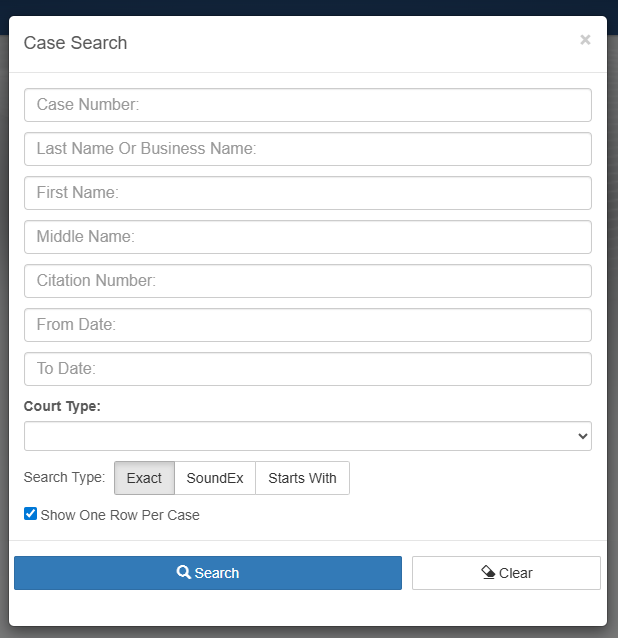
Enter search details
Users should carefully review all available records verify accuracy and input only relevant details This ensures proper documentation improves search results and helps maintain transparency within the system for legal administrative and informational purposes across all official record platforms securely
- Party name (first or last name)
- Case number (most accurate method)
- Case type selection (civil, criminal, probate, traffic)
- Date range (if needed)
Review search results
After clicking search, results will appear in a list format. These results are usually arranged based on relevance, date, or category, allowing users to quickly identify the most suitable information, filter records, and access detailed documents or case summaries without any difficulty in navigation or understanding the system interface experience.
- Case number
- Case type
- Party names
- Filing date
- Case status
Types of Court Records Available
Collier County Clerk of Court Records include multiple types of legal documents such as civil, criminal, family, probate, traffic, and official records like marriage certificates. Each record type supports a specific area of the court system and is stored in organized legal archives. These records form part of the public court records Florida system and are available through official clerk search tools. circuit court records may also include docket entries, court orders, judgments, case filings, and hearing schedules, which help attorneys, researchers, and the public track case progress efficiently. They are maintained under Florida public records law, ensuring transparency, accessibility, and accountability within the judicial system for residents and legal professionals alike.
Civil Court Records
Civil court records cover disputes between individuals, businesses, or organizations. These cases do not involve criminal charges but focus on legal disagreements and compensation claims. These records are part of structured legal case archives maintained by the clerk office. They include filings, motions, court orders, and final judgments. Civil records help track how disputes are resolved through the judicial system.
- Contract disputes
- Property disagreements
- Debt recovery cases
- Personal injury claims
- Small claims court matters
Criminal Case Records
Criminal records document cases involving alleged violations of law. These records are maintained as part of judicial record classification within the court system. Criminal case files are important for law enforcement, attorneys, and background checks. They form a key part of Collier County Clerk of Court Records used for legal verification and court reference. They typically include arrest details, charges filed, court proceedings, hearing dates, judgments, and sentencing outcomes, ensuring transparency and accessibility for authorized users while supporting the justice system in maintaining accurate and up-to-date legal documentation for public record purposes consistently updated.
Family Law Records
Family law records focus on legal matters related to domestic relationships. These cases are often sensitive and handled with structured court documentation procedures. They typically involve issues such as custody, divorce, and support arrangements, requiring careful review by judges and clerks to ensure fairness, confidentiality, and proper legal compliance throughout proceedings.
- Divorce proceedings
- Child custody and visitation
- Child support orders
- Adoption cases
- Domestic-related court orders
Probate Records
Probate records involve legal processes related to estates and inheritance. These cases are handled under court supervision to ensure proper distribution of assets. These files are maintained as part of official court documentation types and help resolve estate matters legally and transparently. They typically include wills, beneficiary details, asset inventories, and court orders that validate the legal transfer of property. Interested parties such as heirs, creditors, and executors access these records to track proceedings, verify claims, and ensure compliance with probate laws.
- Wills and estate filings
- Executor appointments
- Guardianship cases
- Property distribution orders
Traffic and Violation Records
Traffic records include violations related to driving and road safety laws. These are commonly searched through clerk records search Collier County systems. Residents and attorneys use these databases to check fines, citations, case status, court dates, and payment history, ensuring transparency, legal compliance, and easy access to updated public traffic-related information online across official county clerk portals and record systems daily updates.
- Speeding tickets
- DUI-related cases
- Parking violations
- License-related offenses
- Court fines and penalties
Marriage and Official Documents
The Collier County Clerk of Court also maintains official public records beyond court cases. These include civil documentation such as marriage records and certified legal documents. It also preserves property records, official filings, and other vital records, ensuring public access, transparency, and secure archival retrieval through formal request procedures and digital systems.
- Marriage licenses and certificates
- Divorce finalization documents
- Official recorded instruments
- Notarized legal records
Legal Document Filing Process
The legal document filing process in Collier County involves submitting court papers through an official intake system where documents are reviewed, recorded, and added to case files. Filings can be done electronically or in person depending on case type and court rules. This system supports structured court administration Collier County operations by keeping all legal records accurate and properly organized.
How legal documents are submitted
Legal documents are submitted through the clerk office filing system, which acts as the main case submission system for all court matters. Individuals, attorneys, and organizations submit filings to start or update a case. Each submission is reviewed for compliance, assigned a unique case number, and entered into the digital record system. This ensures accuracy, traceability, and timely processing. Once accepted, filings become part of the official court record and can be accessed by authorized personnel and the public through approved channels securely online.
- New case petitions
- Motions and responses
- Evidence documents
- Court notices
- Supporting legal forms
Filing rules and requirements
The clerk office filing process follows strict rules to maintain consistency and accuracy in court records. Every document must meet formatting and legal standards before acceptance. This includes proper identification details, correct case numbers, and verified signatures where required. Staff carefully review each submission to prevent errors and delays. Any incomplete or incorrect filing is returned for correction, ensuring transparency, efficiency, and reliability in maintaining official judicial records for public access and legal reference purposes overall.
- Correct case number or party details
- Proper formatting based on court standards
- Complete and signed documents
- Payment of required filing fees
- Submission within allowed deadlines
Electronic vs physical filing system
Collier County uses both electronic and physical filing methods depending on the case type and submission method. Electronic filings are typically processed through official court portals, allowing attorneys and individuals to submit documents securely from remote locations. Physical filings are accepted at the clerk’s office during business hours, where staff verify paperwork, stamp records, and ensure compliance with procedural rules before entering them into the official system.
Electronic filing
Most modern cases are submitted through an online system. Attorneys and registered users upload documents digitally, which are then processed directly into the court database. This system reduces paperwork, minimizes processing delays, and improves accuracy in record keeping. It also allows real-time tracking of case status, enhances transparency, and ensures faster communication between all involved parties.
Physical filing
Some documents are still submitted in person at the clerk office. These are scanned and added to the digital system after intake processing. Both methods follow the same judicial filing workflow, ensuring all records are stored consistently. Staff verify document authenticity, assign case numbers, and categorize filings according to court standards before archiving. This process reduces errors, improves accessibility, and ensures compliance with legal requirements. Once uploaded, records are indexed for searchability, allowing attorneys, clerks, and the public to retrieve case information efficiently through the system platform.
Verification before acceptance
Before any document becomes part of official court records, it goes through a verification stage. The clerk office reviews each submission to confirm accuracy and compliance.If errors are found, documents may be returned for correction. Once approved, they are officially entered into the court system and become part of the legal record database used in court administration Collier County operations.
- Checking document completeness
- Confirming correct case association
- Reviewing legal formatting standards
- Validating signatures and required details
Records Management and Court Administration
Records management in Collier County involves storing, organizing, and maintaining all court documents through a structured system managed by the Clerk of Court. This system keeps civil, criminal, probate, and traffic records accurate, updated, and securely stored for legal use. It supports the court administration system by keeping official case data consistent and properly controlled throughout its lifecycle. It also ensures that records can be efficiently retrieved when needed by attorneys, law enforcement, and the public. Digital indexing and archival procedures further improve accessibility, reduce manual errors, and enhance long-term preservation of important judicial information across all court divisions and case types.
How records are stored and maintained
The records management Collier County system uses both digital databases and physical storage methods to maintain court documents. Every case file is categorized based on type, date, and court division. This structured storage supports efficient court administration system operations and reduces delays in accessing legal information. Records are stored in a structured format that allows quick retrieval when needed. This includes:
- Digital case databases for active files
- Scanned documents for electronic access
- Physical archives for older records
- Indexed filing systems for tracking case history
Role of clerk office in data accuracy
The Clerk of Court plays a central role in maintaining data accuracy across all records. Every document entered into the system is reviewed for correctness before final storage. This process supports reliable clerk of court records management and ensures that all legal data reflects true court activity without errors. In addition, cross-checking procedures are implemented to verify case numbers, party names, and filing dates before approval. Staff members also follow strict compliance guidelines and audit trails are maintained for transparency. Regular updates and quality control checks further reduce discrepancies, helping preserve the integrity of judicial information for public access and legal reference purposes.
- Verifying case details during intake
- Cross-checking filings with court orders
- Updating records after hearings or rulings
- Correcting inconsistencies when identified
Location & Contact Information
Location & Contact Information: The courthouse and clerk’s office are located in a central and easily accessible area for public convenience. Visitors can obtain case details, file documents, and request certified copies during regular business hours. The office provides multiple contact options including phone, email, and in-person support for inquiries. Parking facilities and public transport access are available nearby. It is recommended to check official hours before visiting to avoid delays. Staff members assist with record searches, case status updates, and procedural guidance for all visitors and stakeholders efficiently managed.
Official Address
Address: 3315 Tamiami Trail East, Suite 102 Naples, FL 34112, United States
Phone Number: (239) 252-2646
Frequently Asked Question
Frequently Asked Questions (FAQ) help users quickly find answers to the most common concerns about a topic without needing to search through the entire page. This section usually covers important details such as procedures, requirements, fees, processing time, and access to services. It is designed to improve user experience by providing clear, concise, and reliable information in one place. FAQs also reduce confusion by addressing repetitive queries that people often ask. By including this section, websites become more user-friendly, improve engagement, and help visitors make informed decisions faster and more efficiently.
How can I search Collier County court records?
Users can search Collier County Clerk of Court Records through the official online system by visiting the clerk website and selecting the court records section. After that, they can open the case search tool and enter details like name, case number, or filing date. The system then displays matching results in a structured format for easy review and case tracking. Users may also refine results using filters such as case type, status, or date range to narrow down information more accurately. In addition, the portal may provide access to related court documents, hearings, and docket updates for better transparency and record verification.
Are court records public in Collier County?
Collier County court records are mostly public under Florida public records laws. Civil, criminal, probate, and traffic records can usually be viewed by anyone. However, some records remain restricted, such as juvenile cases, sealed documents, and sensitive family law files. These restrictions help balance public access with privacy protection while still supporting transparency in court records access Florida systems. Members of the public can typically search these records through official clerk of court portals or in-person requests at the courthouse. Online databases may provide case summaries, docket information, hearing dates, and party names, depending on the case type
Can I access records online?
Yes, Collier County provides online access to many court records through its official clerk portal. Users can perform a clerk records search Collier County by entering basic details such as party name or case number. The system allows viewing case summaries, hearing dates, and available documents. This digital system reduces the need for in-person visits and supports faster access to court information. Collier County also ensures greater transparency by making selected public records accessible 24/7 through a secure online interface. Users can track ongoing cases, review docket updates, and check filing history without delay. In addition, the platform is regularly updated by the clerk’s office, which helps maintain accuracy and reliability of the information provided to the public and legal professionals.
How long does record retrieval take?
Record retrieval time depends on the type of request and record format. Online searches usually provide instant results through the digital system. Certified copies or official documents may take one to three business days. Archived or older records can take longer due to manual processing. The system is designed to keep court records access Florida services efficient and structured for users.. Additionally, processing times may vary based on system workload, request accuracy, and verification requirements applied to sensitive legal records. During peak filing periods or public holidays, delays can occur as clerks prioritize urgent court matters and compliance checks for data integrity across digital archives.
What types of records are available?
The Collier County Clerk of Court Records system includes multiple legal record types. These include civil cases, criminal records, family law matters, probate files, traffic violations, and official documents like marriage records. Each category is stored separately in structured legal archives. This classification helps users find accurate case information through the clerk records search Collier County system without confusion. It also improves record accessibility for attorneys, researchers, and the general public. The system is regularly updated to reflect new filings, hearings, and judgments. Additionally, it supports digital indexing, which allows faster online searches, better transparency, and improved efficiency in locating specific court documents quickly and reliably.