Collier County Circuit Court Case Records represent official documentation of legal matters handled within Florida’s trial-level judiciary system in Collier County. The Collier County Circuit Court functions as a major part of the state court framework, dealing with serious civil disputes, felony criminal cases, and family law issues. Circuit Court Collier County FL serves as a key hub where cases are filed, reviewed, and decided under Florida law. These records reflect hearings, motions, rulings, and judgments recorded in structured case files used for legal reference and public viewing system records. Within Florida’s judicial structure, the circuit court plays a central role in handling high-level cases that require formal trial procedures. Judges review evidence, listen to arguments, and issue rulings based on state law. Court clerks maintain detailed records of each step, creating a reliable case history for every filing. These records support transparency in the state court framework by documenting actions taken during hearings and trials.
Civil litigation, felony prosecutions, and family disputes move through this system, forming part of Florida Circuit Court Records used for case tracking legal reference. Collier County Circuit Court also supports public legal record transparency by maintaining structured case documentation that can be referenced by attorneys, researchers, and citizens. Each case entry reflects procedural updates from filing to final judgment, helping maintain consistency within Florida’s judicial operations. The system integrates multiple case categories, including civil lawsuits, criminal felonies, probate matters, and domestic relations cases. Through organized recordkeeping, the court strengthens accountability within the state judicial system and supports accurate tracking of case progress across different legal stages in Collier County Florida courts judicial framework system.
What Are Collier County Circuit Court Case Records?
Collier County Circuit Court Case Records are official legal case documentation created during proceedings in the circuit court system. These records form part of the Florida Circuit Court Records database and show how each case moves through filings, hearings, and final decisions. They include Collier County Circuit Court Case Records that reflect both civil and criminal matters handled at the trial level. These records serve as official judicial record files used for case tracking and legal reference. Collier County Court records also show the complete court proceeding history from the moment a case is filed until it reaches judgment or closure.
Meaning and Content of Circuit Court Case Records
Circuit court case records contain detailed official case tracking data that supports legal processes in Collier County. Each record acts as a structured file that documents what happens during court proceedings. These records typically include case filings, motions, hearing dates, evidence submissions, judicial orders, and final judgments. They help attorneys, judges, and the public understand the full timeline of a case from start to resolution. Maintaining accurate circuit court records ensures transparency, legal accountability, and proper case management within the judicial system. They are also essential for appeals, background checks, and legal research purposes in ongoing and past litigation matters.
- Case dockets showing scheduled hearings and updates
- Legal filings submitted by attorneys or parties
- Court motions requesting specific rulings or actions
- Judgments and orders issued by judges
- Hearing notes and procedural updates
Circuit Court vs County Court Records in Collier County
Circuit court records differ from county court records based on case severity and legal scope. The circuit court handles more serious matters, while county courts focus on lower-level cases. In Collier County, circuit court files carry more detailed legal case documentation due to the complexity of cases handled. These records form part of the official court proceeding history and are maintained under Florida law. Public access rules allow many of these records to be viewed unless restricted by privacy or legal sealing orders. This open structure supports accountability within the judicial system and keeps official case tracking data available for public reference.
Easy Case Search Walkthrough
Official judicial record data for Collier County can be searched through the county clerk’s record system. This system provides public docket search, case tracking system access, and Florida Circuit Court Records lookup tools for civil, criminal, family, and probate matters. This portal connects users with Collier County Circuit Court Case Records, including docket entries, filings, motions, rulings, and final judgments.
Official Site: https://www.collierclerk.com
Open the Official Records Portal
The homepage displays multiple services related to court records, official filings, and public case information. The system works as an online court record lookup platform for Collier County Florida. These sections connect to the Circuit Court Case Search system used for trial-level judiciary records. The clerk of court manages and maintains these records to ensure accurate public access. Start by opening the official Collier County Clerk website in a browser Official Site: https://www.collierclerk.com
- Court Records Search
- Public Records
- Official Records
- Case Information System
Select Court Case Search
Click the option that leads to court case records. This area connects to judicial record files stored in the county database. Each category filters Florida Circuit Court Records based on case type.
- Civil Case Search
- Criminal Case Search
- Family Case Search
- Probate Case Search
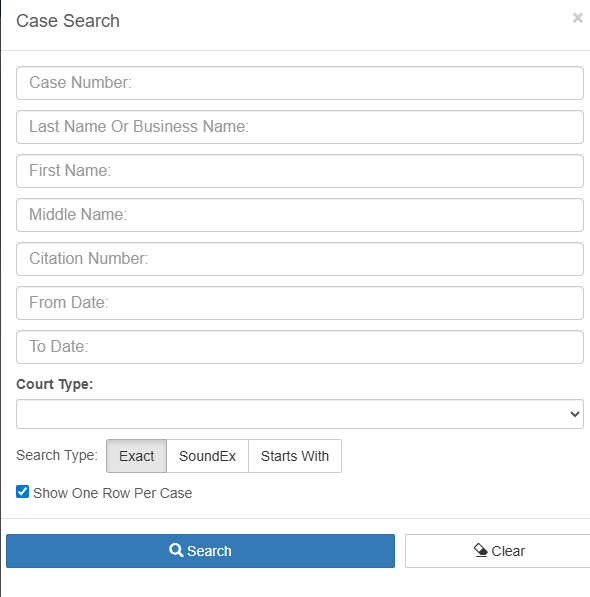
Choose Search Method
The system provides multiple search input methods for Collier County Circuit Court Case Records.
Case Number Search
Enter the exact case number assigned by the court. This method gives direct case tracking system results.
- Filing date
- Court division
- Judge assignment
- Docket entries
- Case status updates
Party Name Search
Enter full legal name of plaintiff or defendant.
- Type last name or full name
- Select party role if option appears
- Run search
Date-Based Search
Use filing date or hearing date filters.
- Start date and end date
- Case type filter
- Court division selection
Review Case Results
Search results show structured judicial record files. Each entry reflects official case activity inside the circuit court system.
- Case number and filing date
- Case type (civil, criminal, family)
- Current status (open, closed, pending)
- Assigned judge
- Scheduled hearings
- Motion filings
- Final rulings or judgments
Open Docket Information
Click on any case entry to view full docket details. The docket shows every recorded action in the case timeline.
- Case filing confirmation
- Hearing schedules
- Motion submissions
- Evidence filings
- Court orders
- Final judgment entry
Types of Cases Handled in Circuit Court
The circuit court handles serious legal matters that fall within the state Trial Court System. It serves as a primary forum for both criminal prosecution cases and civil dispute resolution. These courts manage high-level cases that require formal trials, legal arguments, and judge or jury decisions. In Collier County and across Florida, circuit courts operate under civil jurisdiction, criminal authority, family law responsibility, and probate oversight. Each case type follows structured procedures and becomes part of official court records used for legal reference and case tracking.
Felony Criminal Cases and Serious Offenses
Circuit courts handle all Felony Cases, which include serious criminal offenses under Florida law. These cases involve actions considered harmful to individuals or society and carry severe penalties. They may include crimes such as aggravated assault, burglary, robbery, drug trafficking, and homicide, depending on the circumstances and degree of the offense. Felony cases are prosecuted by the state and involve formal legal procedures such as arraignments, pre-trial motions, evidentiary hearings, and jury trials. The court ensures that both prosecution and defense are given a fair opportunity to present their arguments before a final judgment or sentencing decision is made based on applicable laws and evidence presented.
- Violent crimes such as assault or robbery
- Drug trafficking and distribution charges
- White-collar crimes like fraud or embezzlement
- Major theft and property crimes
Civil Jurisdiction: Lawsuits, Contracts, and Property Disputes
Circuit courts also manage cases under civil jurisdiction, where disputes occur between individuals, businesses, or organizations. These cases do not involve criminal charges but focus on legal disagreements. Civil matters may include contract disputes, property disagreements, personal injury claims, family law issues, and questions involving financial compensation or damages. Courts evaluate evidence presented by both parties and apply relevant laws to reach fair decisions. Judges may issue rulings, orders, or settlements depending on case complexity. These proceedings help maintain legal balance and ensure accountability within society. Civil jurisdiction also allows parties to resolve conflicts through formal legal procedures rather than informal arrangements, promoting structured justice and protecting individual rights effectively under established judicial standards and legal procedures frameworks.
- Contract disputes between parties
- Property ownership and boundary issues
- Personal injury claims
- Business-related legal conflicts
Family Law issues and Legal Proceedings
These matters often include divorce, child custody, child support, adoption, paternity disputes, and protection orders. The court carefully reviews evidence and hears arguments from both parties before making decisions that prioritize fairness and the best interests of children when involved. Judges may also issue temporary orders during ongoing proceedings to ensure stability and safety. Family law cases are typically sensitive in nature and may involve mediation or counseling efforts to encourage resolution outside of trial whenever possible. This process helps reduce conflict and promotes amicable settlements between parties involved thereby.
- Divorce and marriage dissolution
- Child custody and visitation rights
- Child support and alimony decisions
- Domestic violence protection orders
Probate and Estate Legal Processing
Circuit courts also handle probate and estate legal processing cases. These involve the distribution of assets after a person’s death and the validation of wills. These proceedings ensure that all debts are settled, beneficiaries are properly identified, and the estate is distributed according to legal requirements. The court oversees disputes among heirs, confirms the authenticity of legal documents, and appoints executors or administrators when necessary. Probate matters may also include guardianship issues and the management of minor or incapacitated persons’ assets under court supervision. Proper recordkeeping is maintained throughout the process to ensure transparency and compliance with state laws Families may also receive guidance from the court during complex estate disputes and settlement procedures final.
- Will validation and authentication
- Estate administration and asset distribution
- Appointment of executors or administrators
- Resolution of inheritance disputes
Judicial Circuit System and Collier County Role
Additionally, each judicial circuit is overseen by elected judges and administrative staff who ensure efficient case management and adherence to procedural rules The system also integrates technology based filing systems and electronic records to improve accessibility for attorneys litigants and the public Furthermore circuit courts coordinate with county clerks to maintain accurate dockets and scheduling Overall this structure strengthens judicial consistency across Florida while supporting timely resolution of cases in both rural and urban jurisdictions ensuring fairness and transparency in legal proceedings throughout the state system operations statewide judicial framework
Structure of Florida Judicial Circuits
Florida is divided into multiple judicial circuits, each serving one or more counties. Every circuit includes circuit judges, administrative offices, and clerks who manage case filings and court records. These circuits handle a wide range of matters including civil disputes, criminal cases, family law issues, probate proceedings, and juvenile matters. Each circuit operates under the Florida State Courts system to ensure consistent application of laws across regions. The structure also helps distribute caseloads efficiently, allowing courts to function smoothly and provide timely hearings, rulings, and access to justice for residents within their jurisdiction.
- Circuit courts handling serious trial-level cases
- County courts managing lower-level offenses
- Administrative coordination between courts
- Shared case management systems across the circuit
Role of Collier County Within Its Judicial Circuit
t also supports coordination among various court divisions, including civil, criminal, family, and probate matters, ensuring that each case follows proper procedural guidelines. The system helps maintain transparency by providing access to public records and scheduling information for attorneys, litigants, and residents. Additionally, the administrative structure assists judges and court staff in managing workloads efficiently while upholding statutory requirements. Through digital case management systems and standardized filing procedures, Collier County contributes to a more organized and accessible judicial process across its jurisdiction and improving overall court efficiency statewide over time.
- Processing civil and criminal case filings
- Scheduling hearings and trials
- Maintaining official court records
- Supporting judge assignments and courtroom operations
Relationship Between County and Circuit Courts
County courts and circuit courts work together within the Florida system but handle different levels of cases. In Collier County, both systems operate under the same judicial circuit but serve separate legal functions. County court decisions may sometimes be reviewed by circuit courts under specific legal conditions. This structure maintains balance within the legal governance system and supports clear jurisdictional boundaries. It also ensures that minor civil disputes, traffic matters, and misdemeanor cases remain in county court, while more complex civil disputes, felony trials, and major legal appeals are handled at the circuit level. Judges within both courts follow Florida state law and established procedural rules to maintain consistency in rulings. This separation of responsibilities helps reduce case backlog, improves efficiency, and allows citizens to access a more organized judicial process. It also provides a clear pathway for appeals and judicial review when necessary across the court system in Florida courts.
State-Level Judicial Organization and Recordkeeping
At the state level, Florida’s judicial system maintains structured coordination between all circuits. This ensures consistent application of law and standardized recordkeeping. All case data from Collier County becomes part of Florida Circuit Court Records, which form an official archive of trial-level legal activity. These records include filings, motions, rulings, and final judgments. This system strengthens accountability across the state judiciary network by preserving detailed court records and supporting reliable legal reference for attorneys, researchers, and the public. These records also help support appellate review, allowing higher courts to examine prior proceedings efficiently.
Public Access to Civil and Criminal Case Records
Public access to court records in Florida allows users to review case details from the Florida Circuit Court Records system. The Circuit Court Case Search process supports digital record access for civil, criminal, and family law matters under the state’s open records framework. These records fall under civil jurisdiction and criminal case reporting rules within the trial court system. Florida law supports a court transparency system that allows public viewing of many judicial records. This system helps maintain accountability while still protecting sensitive information in certain cases.
Civil vs Criminal Record Availability
Civil and criminal case records are both part of the public legal database, but they differ in structure and detail. Civil records generally involve disputes between individuals, organizations, or entities over rights, contracts, property, or financial claims, and they focus on resolutions such as judgments, settlements, or damages. Criminal records, on the other hand, document offenses prosecuted by the state, including charges, arrests, court proceedings, and sentencing outcomes. These records are maintained separately within court systems to ensure clarity, legal accuracy, and proper classification of case types for attorneys, researchers, and public record access.
Civil Case Records
Civil records are usually more open to public review. They include:
- Contract disputes
- Property claims
- Personal injury lawsuits
- Business-related legal actions
Criminal Case Records
Criminal records involve more restrictions depending on case status. They may include:
- Felony charges
- Court hearings and trial outcomes
- Sentencing details
- Arrest-related filings connected to court proceedings
Public Access Rules in Florida Courts
Florida follows open record laws that allow public viewing of most court documents. However, certain restrictions apply to protect privacy and legal rights.
- Juvenile case files
- Sealed or expunged records
- Domestic violence protection details
- Sensitive victim information
Online Access to Court Data
Most Collier County records are available through online platforms connected to the Circuit Court Case Search system. These digital tools provide structured access to case information without requiring in-person visits.
- Case summaries and status updates
- Docket entries and filing history
- Hearing schedules and court actions
- Final judgments and rulings
Role of Court Transparency System
The court transparency system helps maintain trust in the judicial process. By allowing controlled public access, it supports fair review of civil and criminal proceedings. Within civil jurisdiction, this system helps attorneys, researchers, and citizens monitor case outcomes. At the same time, restrictions protect sensitive information where required by law. Overall, public access to court data strengthens accountability across Florida’s trial court system while keeping case information organized and available through official channels.
Location and Contact Information
The Collier County Circuit Court operates from the main courthouse facility in Naples, Florida. This location serves as the central courthouse administration office for trial-level cases, record handling, and judicial support services. It connects directly with the Florida Circuit Court Records system through the judicial records department managed by the Clerk of Courts.
Collier County Circuit Court Location
This courthouse handles circuit-level operations, including civil, criminal, and family law matters. It functions as the primary legal assistance center for case filings and court record management within the county. It also supports judges, attorneys, and the public by ensuring that all legal documents are properly processed, recorded, and stored according to official procedures. In addition, the courthouse facilitates scheduled hearings, manages court calendars, and provides access to case information through its records system.
Address: 3315 Tamiami Trail E, Naples, FL 34112, United States
Phone: +1 (239) 252-2646
Website: https://www.collierclerk.com/
Frequently Asked Questions
Frequently Asked Questions are a section that provides clear and direct answers to the most common queries users have about a specific topic, service, or process. In the context of court records or courthouse services, FAQs help people quickly understand procedures like case searches, filing requirements, hearing schedules, and record access. This section is designed to save time by addressing repeated questions in a simple format, making legal information easier to understand for the public. FAQs also improve transparency by offering reliable guidance without needing direct assistance from court staff for every small query.
How do I search circuit court case records in Collier County?
Users can refine results by selecting jurisdiction type narrowing down civil criminal or traffic matters and reviewing document images when available The portal is regularly updated to reflect new filings and court decisions ensuring accurate and timely information for public access Users may track ongoing cases view hearing schedules and download public documents for reference This access improves transparency and reduces the need for in-person visits to the courthouse making legal record retrieval more efficient and convenient for residents attorneys and researchers through the Collier County Clerk of Courts system.
Are Florida circuit court records public information?
Yes, most Florida Circuit Court Records are considered public under state transparency laws. These records can be reviewed through online systems or courthouse services. Some restricted files may be limited due to privacy rules or court sealing orders. Users can typically search these records using case numbers, party names, or filing dates. The Clerk of Court maintains official databases that are updated regularly to reflect new filings, hearings, and judgments. While basic case information is often free to access, certified copies or detailed reports may require a small fee.
What types of cases fall under circuit court jurisdiction?
Circuit courts handle serious legal matters, including felony cases, civil disputes, family law proceedings, and probate administration. These cases fall under civil jurisdiction and criminal prosecution authority within the trial court system. They also oversee complex litigation matters such as large financial disputes, property conflicts, and cases involving constitutional issues that require higher-level judicial review. In criminal matters, circuit courts typically manage jury trials, sentencing hearings, and pre-trial motions for more severe offenses.
Can felony cases be accessed through circuit court records?
Yes, felony cases are included in Collier County Circuit Court Case Records. Users can view case filings, hearings, and outcomes through public judiciary information systems. Some sensitive details may be restricted depending on legal status. These restrictions are usually applied to protect ongoing investigations, minors, or confidential evidence submitted during proceedings. The records system is designed to support transparency while maintaining legal privacy standards.
How often is court case information updated in the system?
These systems are designed to ensure transparency, improve public access to legal information, and support efficient court administration across multiple jurisdictions. They integrate data from clerks, judges, and courtroom staff to provide real-time or near real-time updates. Users may experience slight delays during peak filing periods or when documents require verification. Historical case data may also be refreshed periodically to correct errors or include missing entries, ensuring accuracy and reliability for researchers, attorneys, and members of the public seeking case information supporting informed decision making and legal research needs effectively.