Collier County court records are official files that contain case details, filings, and court decisions within Collier County, Florida. People search collier county court records to verify legal matters, review case history, or check public court information through a reliable case lookup system. Court records in Collier County cover civil, criminal, traffic, family, and probate cases handled by local courts. These records provide clear and factual information about legal actions, parties involved, and final outcomes. Many users look for court records collier county fl to confirm details before making personal or business decisions. This type of public court information helps build trust and clarity. With the rise of online tools, finding these records has become faster and more convenient for anyone who needs verified legal data.
Court records Collier County FL help users track case status, confirm legal facts, and perform background checks with ease. Most people rely on these records for accurate and updated details through a simple case lookup system available online. Many users search these records for legal, personal, or verification purposes. For example, employers may review legal records access for hiring checks, while property buyers may verify disputes or ownership history. Court records also support legal research and help users stay informed about ongoing cases. This page will show how to use a search portal effectively and what type of information users can expect. By the end, users can find and review collier county court records without confusion and with better confidence.
What Are Collier County Court Records?
Collier County court records are official legal documents that store details about cases handled in local courts. These court case records include filings, parties involved, and final decisions, making them a key part of public judicial records. In Collier County, these records serve as a written history of court activity. They include many types of case documentation, such as civil disputes, criminal charges, family cases, traffic violations, and probate matters. Each record is created and maintained by the Clerk of Courts as part of the county’s legal system. Since these are official legal documents they follow strict standards for accuracy and recordkeeping.
What Information Do Court Case Records Contain?
Court case records provide detailed and structured information about each case. This helps users quickly understand what happened and who was involved. These records typically include filings, motions, court orders, hearing dates, and final judgments, making them essential for legal research and background verification. They also offer insight into case progression from start to finish, helping attorneys, journalists, and the public track legal outcomes. Such records are maintained in digital databases, allowing easy access and improved transparency within the judicial system. By reviewing them, users can evaluate legal precedents, verify case status, and better understand how courts reach decisions in different types of civil and criminal matters across various levels of jurisdiction.
- Full names of parties involved in the case
- Case number and type (civil, criminal, family, etc.)
- Charges or claims filed in court
- Dates of hearings and filings
- Court motions and legal documents submitted
- Final judgments or decisions by the court
Why These Records Matter for Public Transparency
Court records play a major role in keeping the legal system open and accountable. Public access to judicial records allows people to review how courts handle cases and make decisions. These records include civil, criminal, and family court filings, judgments, motions, and hearing details, which help maintain consistency in the justice system. By making judicial records accessible, citizens, researchers, and journalists can better understand legal processes and track case outcomes. Court records also support legal research, background verification, and case preparation for attorneys. In many jurisdictions, digital databases have further improved access, allowing users to search cases quickly. Overall, this openness strengthens public trust and ensures that judicial decisions remain subject to public scrutiny and accountability in society today globally.
- Build trust in the legal process
- Support fair reporting and research
- Allow people to verify legal claims
- Keep court actions visible to the public
Florida Public Record System Context
Florida follows strong public record laws, often called “Sunshine Laws.” These laws allow public viewing of many court case records, with some limits for sensitive data like juvenile cases or sealed files. Under this system, collier county court records are part of a broader statewide effort to keep official legal documents open and searchable. Many of these records are now available through online portals, making it easier for users to find accurate case documentation without visiting a courthouse. Users can search by case number, party name, or filing date, depending on the county system. These digital databases also improve transparency and reduce delays in accessing public information. Additionally, online access supports legal professionals, researchers, and residents who need quick updates on civil or criminal proceedings. However, certain restrictions still apply to protect privacy, ongoing investigations, and confidential filings. Regular updates ensure that the information remains current and reliable for public use across different legal matters supporting transparency and accessibility across the entire judicial system in Florida statewide platform.
How to Search Collier County Court Records Online
Collier County court records can be searched through the official court portal using a simple click-based process. The collier county court search system allows users to move step by step from the main site to the court database and view case details quickly. Users can access civil, criminal, family, and traffic case information by entering names, case numbers, or filing dates. The system also provides filtering options to narrow results, making it easier to locate specific records. Each case entry may include party details, hearing schedules, judgments, and filing history. This online search tool is designed to improve transparency and save time compared to in-person visits. Regular updates ensure that the information remains current and reliable for attorneys, researchers, and the general public seeking accurate court data across all available case types online
Official site: https://www.collierclerk.com
Steps For Court Record Search Process
To perform a court record search, first identify the correct jurisdiction where the case was filed, as records vary by state and county. Next, gather essential details such as party names, case number, or filing date. Visit the official court website or physical courthouse to access public records portals. Use search filters to narrow results accurately. Review case summaries, docket information, and judgments carefully for relevance. Some courts may require registration or small fees for full documents. Always verify data accuracy before using it for legal or research purposes only.
Open Official Website
Visit the official Site: https://www.collierclerk.com This is the main entry point for all court case records and public legal information in Collier County.
Click “Records Search”
From the homepage, select Records Search option.
This section leads to the record search system used for public court data.
Select “Court Records”
Inside the records section, click on Court Records.
This opens the dedicated area for official legal documents and case files.
Click “Search”
On the Court Records page, select the Search option.
This activates the court database search tool.
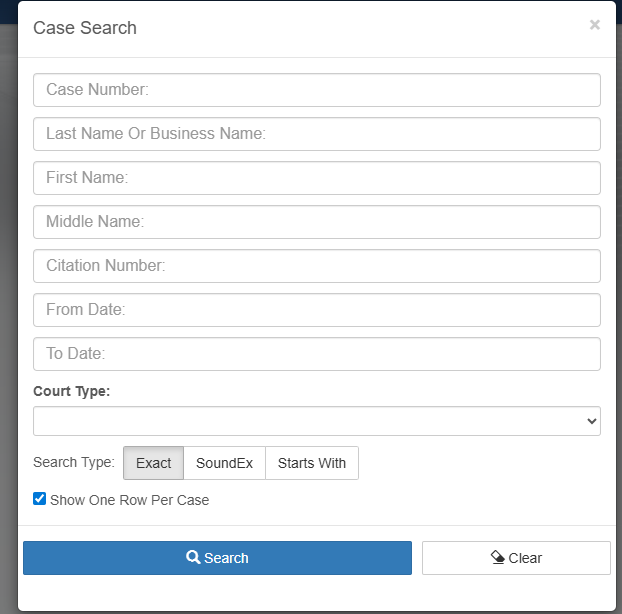
Choose “Case Search”
From the available options, click Case Search.
This is the main tool used for online case lookup.
Select Search Type
Now choose how to search your case:
- Name Search → enter person’s name
- Case Number Search → enter exact case ID
- Date Search → select filing or hearing dates
View Results
After selecting a method:
- Results list will appear
- Click the correct case
- Open full case documentation
Check Case Details
- Final decisions
- Party names
- Case filings
- Charges or claims
- Court dates
Structure of the Collier County Judicial System
The Collier County court system is organized into different levels that handle specific types of legal cases. The collier county court structure includes Circuit Court and County Court, each responsible for separate areas of law within the judicial system Florida operates. In Collier County, this structure follows the state’s trial courts structure, where cases are divided based on seriousness, complexity, and legal category. It ensures that minor matters such as traffic violations, misdemeanors, and small civil disputes are generally heard in County Court, while more serious felony cases, large civil lawsuits, family law matters, probate issues, and juvenile cases fall under the jurisdiction of Circuit Court. This division helps maintain efficiency in the legal process and allows judges to specialize in particular types of cases. Additionally, the system supports fair case management, timely hearings, and proper allocation of judicial resources across Collier County courts improving public access and overall judicial transparency statewide greatly.
Court Hierarchy in Collier County
The court hierarchy in Collier County is part of Florida’s statewide trial court system. It is mainly divided into two primary courts that handle different levels of cases. It includes the Circuit Court and the County Court, each serving specific jurisdictional roles. The Circuit Court generally handles felony criminal cases, family law matters, major civil disputes, probate issues, and juvenile cases, while the County Court deals with misdemeanor offenses, traffic violations, landlord-tenant disputes, and smaller civil claims. Together, these courts ensure efficient case management and access to justice for residents. They also follow Florida state laws and procedures, maintaining consistency across all judicial processes within Collier County ensuring fairness, transparency, and timely resolution of cases across the county.
Circuit Court
The Circuit Court is the higher level of trial court in the county. It handles more serious and complex legal matters. It generally has jurisdiction over major civil cases involving higher monetary values, felony criminal cases, family law disputes, and appeals from lower courts such as district or municipal courts. Circuit Court judges oversee jury trials, evidentiary hearings, and legal motions, ensuring that proceedings follow state law and procedural rules. Because of its broader authority, it plays a critical role in the justice system by resolving significant disputes and setting important legal precedents within the county and state judicial structure overall efficiently.
- Felony criminal cases
- Major civil disputes
- Family law cases (divorce, custody)
- Probate and estate matters
- Juvenile cases
County Court
These courts typically deal with civil disputes, small claims, minor criminal offenses, traffic violations and preliminary hearings before cases move to higher courts. They play an important role in ensuring that justice is accessible and efficient for everyday legal matters within the community. County courts also help reduce the workload of higher courts by resolving simpler cases quickly and fairly. Judges in these courts focus on applying established laws to straightforward situations while maintaining procedural fairness and legal consistency across all proceedings in the jurisdiction at the county level system.
- Misdemeanor criminal cases
- Traffic violations
- Small claims cases
- Minor civil disputes
How Both Courts Work Together
Both Circuit Court and County Court operate under the same judicial system Florida framework. They share responsibilities but focus on different levels of legal severity.. While Circuit Courts generally handle more serious criminal cases such as felonies, major civil disputes, family law matters, probate, and juvenile issues, County Courts deal with less severe offenses including misdemeanors, traffic violations, and smaller civil claims. This division helps streamline the judicial process, ensuring cases are heard efficiently based on complexity and value. Both courts work together to maintain fairness, accessibility, and proper case distribution across Florida’s legal system, allowing residents to receive timely justice and appropriate legal resolution for varying case types across the state when applicable statewide.
- Case seriousness
- Legal complexity
- Financial limits on civil cases
- Type of penalties or rulings
Why Court Records Differ Between Courts
Court records vary depending on whether they come from Circuit Court or County Court. This is important for anyone reviewing Collier County court records because each court has different jurisdictional authority and record keeping procedures. Researchers, attorneys, and the general public should understand which type of case they are searching for in order to locate accurate documents within Collier County Florida systems. Circuit Court typically handles felony criminal cases, major civil disputes, and family law matters while County Court generally manages misdemeanors, traffic violations, and smaller civil claims. Understanding these distinctions helps improve search efficiency, reduce confusion, and ensures users can access the correct docket information faster with greater accuracy across public records systems.
- Different case types handled
- Separate filing systems within the court database
- Varying levels of detail in records
- Different legal procedures followed
Categories of Cases Available in Records
Court records Collier County FL include different types of legal cases stored in an organized public system. These court records collier county fl cover multiple categories such as civil disputes, criminal proceedings, traffic matters, and probate filings. In Collier County, each category is handled separately within the court database to keep records clear, structured, and easy to search through official systems. Users can access these records through online portals or by visiting the courthouse, depending on the type of information required. The system also ensures transparency, allowing attorneys, researchers, and the general public to review case progress, filings, and judgments. Additionally, digital indexing helps improve search speed and accuracy, making it easier to locate specific case details. Collier County court records are regularly updated, ensuring that all legal documentation remains current, reliable, and properly maintained for public access and legal reference purposes across official county platforms and databases secure and accessible.
Civil Cases
Civil cases involve disputes between individuals, businesses, or organizations over legal rights or money matters. These civil disputes do not involve criminal charges but focus on resolution or compensation… They are typically resolved in civil courts where a judge or jury evaluates evidence and arguments presented by both parties. Common examples include contract disputes, property disagreements, family matters such as divorce, and personal injury claims. The goal of civil litigation is not punishment but to provide fair remedies such as monetary damages or specific performance. In many cases, parties may also choose settlement before trial to save time and legal costs while reaching a mutually acceptable agreement which often helps reduce court backlog and emotional stress involved for parties.
- Contract disagreements
- Property disputes
- Debt recovery cases
- Landlord and tenant issues
- Business conflicts
Criminal Cases
Criminal proceedings involve cases where the state files charges against an individual for breaking the law. These cases are part of official court records Collier County FL and are handled with strict legal procedures.. Such proceedings may include misdemeanors, felonies, and other violations that require judicial review and formal documentation. Law enforcement agencies, prosecutors, and defense attorneys all participate in the process, ensuring that justice is served according to Florida state laws. Records generated from these cases are often used for background checks, legal research, and public information requests. In Collier County, the court system maintains detailed documentation of each stage of a case, from arrest to final judgment, providing transparency and accountability within the judicial system for public trust and legal clarity purposes.
- Theft or burglary
- Assault or battery
- Drug-related charges
- Fraud cases
- DUI offenses
Traffic Cases
Traffic cases involve violations of road and driving laws. These are usually handled in lower-level court systems and are processed quickly through the court database… These cases may include speeding tickets, reckless driving, driving without a valid license, insurance violations, and failure to obey traffic signals. In many jurisdictions, offenders may resolve minor infractions by paying fines online or appearing before a judge. Some cases require mandatory traffic school or defensive driving courses to reduce penalties. Repeat violations can lead to increased fines, points on a driving record, or even temporary license suspension depending on severity and local traffic regulations enforced by authorities. Courts also maintain digital records for future reference and enforcement purposes efficiency.
- Speeding tickets
- Driving without a license
- Red light violations
- Reckless driving
- Parking violations
Probate & Family Law Cases
Probate and family law cases involve personal and family-related legal matters. These cases are often sensitive and handled with specific court procedures… They typically include issues such as inheritance distribution, will validation, guardianship, child custody, divorce settlements, and estate administration. Because of the emotional and legal complexity involved, courts often encourage mediation and settlement discussions before trial. Proper documentation and legal representation are essential to ensure fair outcomes and compliance with jurisdictional laws. These cases may also require multiple hearings and detailed financial disclosures, making the process longer than other civil matters in many situations across different jurisdictions and often requiring careful judicial oversight to protect all parties involved throughout the process.
- Wills and estate distribution
- Divorce proceedings
- Child custody and support
- Adoption cases
- Domestic relations matters
Limitations, Privacy, and Restricted Records
Court records Collier County FL are public in many cases, but not all legal files are open for viewing. Some records are restricted due to privacy laws, meaning users may not find every case in the online system. In Collier County, the court database follows Florida public record rules while also applying legal privacy protections to sensitive information. Users can typically access civil, criminal, probate, and traffic records through official clerk portals, but juvenile cases, sealed filings, and certain family law matters remain confidential under Florida statutes. Requesters may need case numbers, party names, or filing dates to perform accurate searches. In some situations, in-person requests or formal records applications may be required. The system is regularly updated, but delays or redactions can occur depending on court processing and legal review requirements. Always verify information with official Collier County Clerk of Courts for latest case status updates available.
Why Some Court Records Are Not Visible
These limitations often include sealed or expunged cases, active criminal investigations, and certain family law proceedings such as adoption or custody disputes. Juvenile records are especially restricted and are typically not accessible to the public without court authorization. Additionally, some sensitive civil cases involving harassment, domestic violence, or protective orders may also be partially or fully hidden from public view. The purpose of these protections is to maintain privacy, ensure fair legal processes, and prevent misuse of sensitive information in public searches across all official court record systems statewide Florida.
- Protection of minors
- Sensitive family matters
- Ongoing investigations
- Court-approved confidentiality orders
Juvenile cases are one of the most strictly protected record types. These involve individuals under 18 and are not fully available to the public. In most jurisdictions, access to such records is limited to authorized parties such as parents, guardians, attorneys, and court officials, ensuring privacy and rehabilitation opportunities for minors. Courts generally seal or expunge juvenile records to prevent long-term consequences on education, employment, and housing. However, certain serious offenses may allow restricted disclosure under court order. This confidentiality framework aims to balance public safety concerns with the juvenile justice system’s focus on correction rather than punishment, supporting rehabilitation and reducing future recidivism among youth offenders across communities and legal systems worldwide various.
Juvenile Court Records
Juvenile cases are one of the most strictly protected record types. These involve individuals under 18 and are not fully available to the public. These cases are handled in specialized juvenile courts, where the focus is rehabilitation rather than punishment. Records are generally sealed to protect the minor’s identity, future opportunities, and privacy rights. Only authorized parties such as attorneys, guardians, and court officials may access the files under strict legal conditions. In many jurisdictions, even basic details like names or case summaries are withheld from public databases. This confidentiality helps prevent long-term stigma and supports the legal principle that minors should be given a chance to reform and reintegrate into society safely later.
- Criminal allegations involving minors
- Court hearings related to juveniles
- Rehabilitation or supervision outcomes
Sealed Records and Confidential Filings
Some sealed records are hidden from public search results. A judge may seal a case when privacy risks are high or legal protection is required. These cases often involve sensitive matters such as juvenile proceedings, ongoing criminal investigations, adoption files, or situations where disclosure could endanger individuals involved. Sealing ensures that personal information, witness identities, or confidential evidence are not exposed to the public. Only authorized parties, including attorneys, law enforcement, or court officials, may access such records under strict conditions. In some jurisdictions, sealed records may later be unsealed by court order if circumstances change or legal requirements demand transparency for justice or public interest considerations as determined by the presiding court authority official.
- Sensitive criminal investigations
- Protected witness information
- Certain family law matters
- Cases under court confidentiality orders
Privacy Protections in Florida Court System
Florida law supports public access, but it also balances privacy through specific rules. This creates a controlled system where some information is open and some is restricted. Citizens can request court records, property documents, and government files under public records laws, while exemptions protect sensitive details such as juvenile records, ongoing investigations, medical data, and certain personal identifiers. Agencies must follow clear procedures for disclosure, and courts often interpret requests broadly in favor of transparency. However, redactions are applied when disclosure could harm privacy or public safety. This framework ensures accountability while safeguarding individuals’ rights and maintaining trust between the government and the public and reinforces democratic governance across the state of Florida legal transparency standards system.
- Removal of personal identifiers in sensitive cases
- Restricted access to sealed court files
- Limited viewing rights for juvenile records
- Controlled release of family law details
What Users Should Expect in Searches
When using the court database, users may notice: variations in record availability depending on the jurisdiction, filing type, and update frequency of the system. Some entries may appear incomplete or temporarily unavailable due to ongoing processing or sealed case restrictions. Search results can also differ based on spelling variations, name formats, or case number accuracy. Additionally, older records might be archived and require specific request procedures to access. Users should carefully refine search filters, such as date ranges or court levels, to improve accuracy and ensure they retrieve the most relevant and up-to-date legal information available in the system.
- Some cases appear with limited details
- Certain names or documents are missing
- Full files require special authorization
- Sensitive records are not shown online
Location and Contact Information
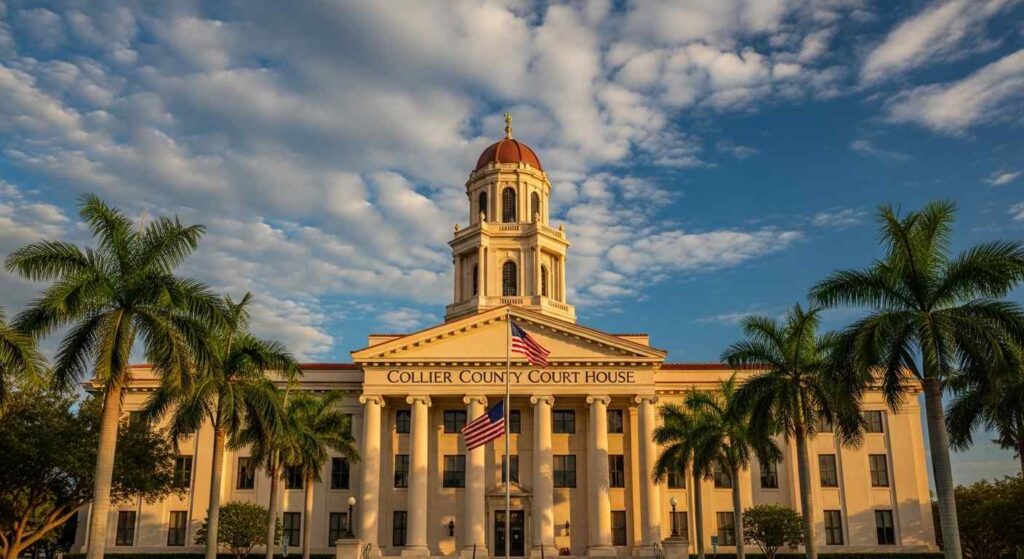
The Collier County court operates through designated courthouse facilities and the Clerk of Court office that handles records and public services. The collier county court provides in-person and online support for case information, filings, and record requests. In Collier County, court services are managed through the Clerk of the Circuit Court & Comptroller, which supports court administration, record handling, and public assistance.
Courthouse Location
The main courthouse facility is located in Naples and serves as the central point for court hearings and filings.
Primary Courthouse Address:
Collier County Courthouse (Main Complex)
3315 Tamiami Trail East
Naples, FL 34112
United States
Clerk of Court Office Contact
The Clerk of Court manages court records Collier County FL, public records requests, and case search services.
Contact Information:
- Office Name: Clerk of the Circuit Court & Comptroller
- Phone: (239) 252-2646
- Website: https://www.collierclerk.com
Office Hours and Public Assistance
The courthouse and clerk office operate during standard government hours typically from 8:00 AM to 4:30 PM on weekdays, excluding weekends and public holidays. These offices provide essential public services such as record searches, document filing, case inquiries, and certified copies. Visitors are encouraged to arrive early to avoid long queues and ensure sufficient time for processing.
Office Hours:
- Monday to Friday: 8:00 AM – 5:00 PM
- Closed on weekends and public holidays
Frequently Asked Questions
Collier County court records and court case records are official legal files used for checking case details, legal history, and public court information. These FAQs explain record search help, access requirements, and basic court lookup guidance in simple terms. In Collier County, most public court information is available through an official online system, but some records remain limited due to privacy rules and case type.
How can I search Collier County court records online?
Users can search collier county court records through the official Clerk of Courts website at https://www.collierclerk.com. The process starts by opening the site, selecting the records search section, and choosing the court case search tool. After that, users can enter a name, case number, or date range to view available court case records. This system provides quick court lookup guidance and shows matching results from the public database.
Are all court records publicly accessible?
Not all court case records are open to the public. Some files are restricted due to legal privacy protections and court rules. Records such as juvenile cases, sealed files, and confidential family matters are not shown in public searches. These limits help protect sensitive information while still allowing access to general collier county court records for most standard cases.
What details are required for a case search?
To perform a successful collier county court records search, users usually need basic information like a full or partial name, a case number, or a filing date range. Providing correct details helps the system show accurate court case records and improves record search help results. Case number searches are the most precise because they lead directly to a single record.
Can I access court records for free?
Most basic court case records are available for free through the official online portal. Users can view case summaries, party names, hearing dates, and basic filings without payment. However, certified copies or official legal documents may require a fee. This system allows public access while still supporting court administration costs.
Why can’t I find a specific case?
A missing result in collier county court records may happen for several reasons. The case could be sealed, restricted, or related to juvenile matters that are not publicly listed. In some cases, incorrect spelling, missing details, or recent updates not yet added to the system can also affect results. Some cases may also belong to different jurisdictions outside the local court database.