The collier county court docket lists active and upcoming legal cases along with hearing dates and courtroom details. It helps organize case tracking within the local judicial record system in a structured way. The court docket collier county fl works as a central record that shows case movement across civil, criminal, and other divisions. The Collier County court docket lists active and upcoming cases within the county system. It shows hearing dates, case numbers, assigned judges, and courtroom details. This system works as a structured judicial record system that supports legal case tracking across civil, criminal, family, and probate matters. Each filing enters the record and follows a clear sequence based on court activity. Attorneys, court staff, residents use this court case listing to check progress and scheduled hearings.
The system keeps court information organized for easy reference and consistent case updates across departments. The Collier County court docket represents a public record system that shows ongoing and scheduled court activity. It organizes civil, criminal, family, and probate matters into a single legal case tracking platform. This structure supports transparency in court schedules and allows consistent updates for hearings and trials. It helps attorneys, staff, and residents review case listings with clear details and timely information. Overall the system keeps case information structured within the judicial record system so users can follow court listings and schedule updates across all divisions with clarity consistency maintained.
What the Collier County Court Docket
The collier county court docket includes structured records of case filings, hearing dates, judge assignments, and case status updates. It shows how each case moves through the Collier County Court legal system using organized judicial case records. The case schedule collier county presents upcoming hearings and trial listings in a clear format for public reference. Additionally, these records are maintained and updated by the Clerk of Court to ensure accuracy and transparency in the judicial process. Users can track civil, criminal, and probate matters through regularly updated entries. The docket system helps attorneys, parties, and the public stay informed about procedural progress and upcoming court actions. Most information is accessible through online case search tools, making it easier to review filings, motions, and hearing outcomes without visiting the courthouse. This structured system improves accessibility and legal efficiency for all users involved in real time access.
Case Number, Filing Details, and Court Filing Entries
Each entry in the docket starts with a case number, which works as a unique identifier for every legal matter. This number links all updates tied to the same case across different court stages. Filing details show when a case entered the system and what type of matter it involves. Additionally, this identifier helps clerks, attorneys, and the public track the complete history of a case without confusion between similar names or filings. It ensures consistency in record keeping and allows easy retrieval of documents across electronic and physical systems. Filing details may also include the jurisdiction, court division, and filing party information, which helps define how the case will proceed through the legal process and which procedures or timelines will apply to it. Overall, it improves transparency, accuracy, and accessibility of court case tracking for everyone involved in system.
- Filing date and time
- Case type such as civil or criminal
- Names of involved parties
- Initial court location
Hearing Dates, Trial Scheduling, and Case Schedule Collier County
The docket system lists hearing dates and trial slots in a structured calendar format. Each hearing appears based on courtroom availability and case priority. These listings form the trial dates collier county docket entries that reflect scheduled court activity. These docket entries also help attorneys, clerks, and the public track upcoming proceedings efficiently, ensuring no scheduling conflicts arise within the court calendar. They provide transparency in case management and allow stakeholders to prepare for hearings in advance. Additionally, updates to the docket reflect real-time changes such as continuances, rescheduling, or cancellations, keeping records accurate and reliable. This system supports judicial efficiency while improving public access to court information across Collier County. It also reduces delays caused by miscommunication or outdated scheduling records, ensuring smoother case progression overall. statewide consistency
- Scheduled hearing dates
- Trial start and end estimates
- Motion hearing slots
- Continuation updates
Judge Assignments and Case Status Updates
Every case in the docket includes an assigned judge. This assignment stays linked to the case throughout its progression unless reassigned by court order. Judge details help attorneys and parties prepare for hearings. It also ensures consistency in case management, allowing all involved parties to understand courtroom expectations and procedural preferences. In many instances, the assigned judge oversees multiple hearings, reviews filings, and issues rulings based on presented evidence. This structured assignment improves judicial efficiency, reduces delays, and supports fair trial procedures. It also enhances transparency in court operations and helps maintain an organized legal workflow across different case types.
How to Search Collier County Court Docket and Case Schedule
The collier county court docket can be checked through the official county records system, where users can view hearings, filings, and case schedules. The court docket collier county fl is part of a public court records search platform that organizes legal case information in a structured database.
The official website used for case record lookup is:
Official Site: https://www.collierclerk.com
Open Official Court Records Website
This site contains public court records search tools for civil, criminal, family, and probate cases. The homepage provides links to docket search, case filings, and hearing listings. Start by opening the official Collier County Clerk records portal:
Official Site: https://www.collierclerk.com
Select Court Records Search Area
On the website, locate the section labeled court records or case search. This area contains the case lookup system used for docket entries collier county records. Each section leads to a separate database search page for structured results.
- Civil case search
- Criminal case search
- Probate records search
- Family court listings
Choose Search Method
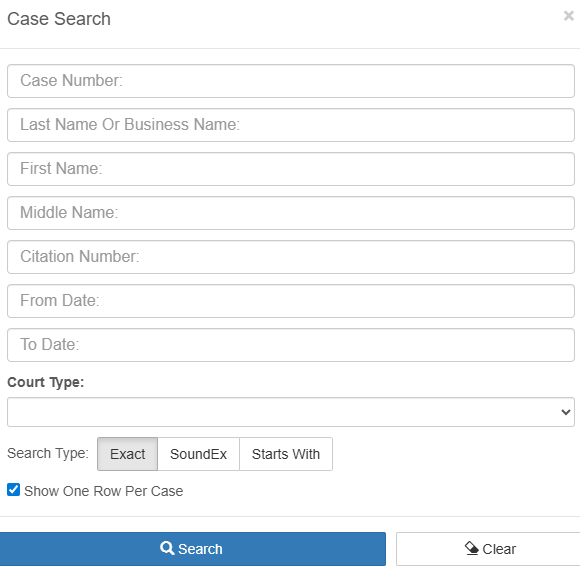
This method shows full case progression records, hearing status updates, and trial dates collier county docket entries. The system provides multiple search options for court docket collier county fl records:
Case Number Search
- Enter full case number
- Submit search request
- View matching docket record
Party Name Search
- Enter first or last name
- Select correct match from list
- Open case details page
Business or Organization Search
This option helps track civil disputes or commercial filings in the legal case tracking system.
- Enter registered business name
- Review matching case listings
- Open docket record
Apply Filters for Case Schedule Collier County
Filters help narrow results in the case schedule collier county system. Users can refine records using:
- Date range filter for filings or hearings
- Case type selection (civil, criminal, probate, family)
- Court division filter
- Hearing date sorting options
Collier County Court Calendar and Hearing Date System
Additionally, the court calendar system enhances communication between the Clerk of Court and involved parties by ensuring timely dissemination of schedule changes and notices. It is frequently integrated with case search online case management tools, allowing users to receive alerts and updates electronically. This reduces delays and supports better case preparation for all participants. The calendar also plays a key role in maintaining judicial efficiency by preventing scheduling conflicts and overcrowding in courtrooms. By offering a centralized and accessible schedule overview, it strengthens overall case management and promotes a more organized and predictable court process for both legal professionals.
Monthly Court Calendar Structure in Collier County
The monthly court calendar groups all court activity into a 30-day planning cycle. It helps manage workload and assign hearing slots based on case type and urgency. It also allows judges, clerks, and attorneys to coordinate schedules more efficiently and reduces the chances of conflicts or delays in proceedings. By organizing hearings in advance, the court system improves transparency and ensures that each case receives appropriate attention. The calendar may also include criminal, civil, probate, and family law matters depending on jurisdiction. Regular updates are made to reflect new filings, continuances, or urgent motions. This structured approach supports timely justice delivery and improves overall court administration efficiency. It also helps public access to scheduling information online easily.
- Civil motion hearings
- Criminal arraignments and pre-trial hearings
- Family court sessions
- Probate and estate matters
Weekly Court Calendar and Hearing Date Assignments
It also helps attorneys, litigants, and court staff prepare efficiently for upcoming proceedings by providing a clear overview of daily judicial activities. Additionally, it improves coordination between different courtrooms, reduces scheduling conflicts, and ensures that hearings proceed in an orderly manner throughout the week. Judges, clerks, and legal representatives rely on it to manage caseloads effectively while maintaining transparency and accessibility for all parties involved in the judicial process. This structured system ultimately enhances courtroom efficiency and supports timely resolution of cases across the entire legal calendar framework and operations.
- New hearing date assignments
- Rescheduled or continued cases
- Emergency motion hearings
- Trial confirmations
Real-Time Updates to Court Calendar Collier County
The court calendar changes frequently as cases progress. Updates happen when judges issue orders, hearings are postponed, or settlements occur. These adjustments are a normal part of the judicial process and help ensure that each case receives proper attention based on priority and readiness. In some situations, emergency motions or unexpected filings may also require immediate rescheduling. Parties involved are usually notified through official court notices or electronic systems. Staying updated with the court schedule is important for attorneys and litigants to avoid missed appearances and to prepare adequately for each stage of the legal proceedings.
- Case continuance requests
- Judge reassignment
- Settlement before trial
- Emergency motion approvals
| Day/Date | Court Division | Case Type | Hearing Type | Status |
|---|---|---|---|---|
| Monday | Civil Court | Contract Dispute | Motion Hearing | Scheduled |
| Tuesday | Criminal Court | Felony Case | Pre-Trial Hearing | Active |
| Wednesday | Family Court | Custody Case | Support Hearing | Scheduled |
| Thursday | Probate Court | Estate Administration | Review Hearing | Pending |
| Friday | Civil Court | Property Dispute | Trial Session | Scheduled |
Case Status Updates and Docket Entry Changes
The docket entries collier county system shows how legal cases change over time as new filings, hearings, and court decisions are recorded. The case schedule collier county updates regularly to reflect new hearing dates, rulings, and case movements inside the judicial record system. The case update system works as a live status tracking system that records every modification made to court files. Court records do not stay static. They change whenever new legal actions occur. These updates are recorded as legal record updates and appear directly in the docket. Each change helps track how a case progresses from filing to final judgment.
Filing Updates and Court Filing Modifications
Filing updates are the first stage of docket changes. When a case is submitted, it enters the court system and receives an official entry in the docket. This initial entry includes key details such as case number, filing date, parties involved, and case type classification. It is then indexed by the clerk’s office to ensure proper tracking within the judicial system. As the record moves forward, any new submissions or motions are linked to this entry, allowing continuous updates. This process helps maintain accurate, organized, and transparent case information for both court officials and public record access systems throughout proceedings.
- New case registration
- Additional motions or petitions
- Evidence submissions
- Amended complaints or responses
Hearing Changes and Case Schedule Collier County Updates
Hearing changes occur when court dates are adjusted due to scheduling conflicts, judge availability, or case progress. The case schedule collier county system reflects these updates immediately. These updates help ensure that all parties involved in a case remain informed about any modifications without delay, reducing confusion and maintaining procedural efficiency. Attorneys, plaintiffs, and defendants can track revised hearing dates through the official scheduling system, which is regularly maintained for accuracy. In addition, automated notifications may be issued in some cases to alert users of changes, ensuring timely awareness and better coordination across the legal process. This system supports transparency and helps improve overall court administration effectiveness and ensures reliable public access to court updates information flow.
- Rescheduled hearing dates
- Continued or postponed hearings
- Cancelled court sessions
- Added emergency hearings
Trial Dates and Judicial Proceedings in Collier County Courts
The trial dates collier county docket entries show when a case is set for full court trial after earlier hearings and filings. The court timetable collier county organizes these trial dates within a structured judicial system that manages civil, criminal, and family matters. The litigation scheduling process controls how cases move from filing stages into final courtroom proceedings. Trial scheduling follows a fixed judicial trial timeline that depends on case readiness, court availability, and procedural requirements. Each case must pass several stages before it receives a final trial date in the court system.
Trial Scheduling Process in Collier County Courts
Trial dates are assigned after a case reaches readiness for full hearing. Judges and court clerks review case status, evidence completion, and motion history before setting a trial slot. They also consider discovery deadlines, pending motions, witness availability, and courtroom capacity to ensure the case can proceed without unnecessary delays. Once these factors are verified, the case is placed on a trial calendar according to priority and filing date. Parties are officially notified through court notices or docket.
- Case review by the assigned judge
- Confirmation of discovery completion
- Evaluation of pending motions
- Coordination with court calendar availability
Jury Trial vs Bench Trial Scheduling
In Collier County, scheduling for jury trials is typically more complex because it involves coordinating juror availability, courtroom resources, and pre-trial motions, while bench trials are generally set more quickly due to the absence of a jury selection process. Judges review case readiness, evidence filings, and attorney motions before assigning a hearing date. Court administrators also manage docket congestion to ensure efficient proceedings. Continuances may shift timelines depending on legal circumstances, settlement discussions, or procedural delays, ensuring fair access to justice throughout the judicial calendar system in current practice today.
- Requires juror selection process
- Decided only by a judge
- Requires shorter courtroom time
- Scheduled faster than jury trials
- Focused on legal arguments and evidence review
Continuance and Rescheduling Impact on Trial Calendar Updates
Continuances are common in court proceedings and directly affect trial calendar updates. A continuance means the trial date is postponed to a later time. They are typically granted due to various reasons such as scheduling conflicts between attorneys, the need for additional time to gather evidence, witness unavailability, or court workload pressures. Judges evaluate requests carefully to balance fairness and efficiency in the judicial process. When a continuance is approved, the case is rescheduled and placed on a future docket, which may delay resolution timelines. Parties are usually required to submit formal motions explaining the cause, and opposing counsel may object depending on circumstances. This process helps maintain orderly court scheduling and fairness overall.
- Need for additional evidence
- Attorney scheduling conflicts
- Settlement negotiations in progress
- Court congestion or judge availability
Court Proceeding Timeline and Case Movement
Court proceedings follow a structured timeline before reaching trial stage. Each phase is recorded in the docket and reflected in trial scheduling updates. Case progression includes filing of motions, preliminary hearings, discovery, and status conferences, all of which help the court manage evidence and legal arguments efficiently. Judges review each step to ensure compliance with procedural rules and maintain fairness in scheduling. Parties may request continuances or submit updates that can adjust the timeline. This structured process ensures transparency, reduces delays, and allows attorneys and litigants to prepare adequately for trial while maintaining an accurate and up to date court record system for public reference and overall judicial efficiency across proceedings consistently maintained.
- Case filing and initial review
- Pre-trial hearings and motions
- Discovery and evidence exchange
- Trial readiness review
- Final trial date assignment
- Courtroom proceedings
Judicial Trial Timeline and Final Scheduling
During this phase, courts prioritize efficient scheduling, ensuring all pre-trial motions, evidence submissions, and witness lists are finalized before the hearing begins. Any request for postponement must be formally submitted and justified to the judge. Judges carefully evaluate such requests to avoid unnecessary delays in justice delivery. If a settlement is reached between parties, the trial may be canceled or resolved earlier. Otherwise, the case proceeds as scheduled, following strict procedural rules that maintain fairness, transparency, and consistency throughout the judicial process in accordance with established legal standards nationwide systems.
- Assigned courtroom and judge details
- Scheduled hearing blocks for trial duration
- Updated docket entries collier county records
- Coordination with jury or bench trial type
Location and Contact Information
The court calendar collier county helps visitors align their visit with scheduled hearings and court operations. The hearing dates collier county listings also support planning for courtroom attendance and public case observation. Courthouse access follows structured public entry rules to maintain order and security inside the judicial building. Visitors can review updated schedules through official court portals to avoid delays and ensure timely arrival for proceedings. Public entry guidelines require valid identification and compliance with security screening procedures before accessing courtrooms
Collier County Clerk of the Circuit Court
The Collier County Clerk of the Circuit Court is responsible for managing official court records and processing legal filings across civil, criminal, family, probate, and traffic cases. The office supports the judicial system by maintaining accurate documentation, providing public access to records, and handling court-related financial transactions such as fees and fines. It also ensures compliance with state regulations while offering online case information services for attorneys and residents. These services improve transparency, efficiency, and accessibility within the county court system and enhance public trust in the justice system overall.
Address:
3315 Tamiami Trail East, Suite 102
Naples, FL 34112, USA
Phone Number:
(239) 252-2646
Office Hours:
Monday – Friday: 8:00 AM – 5:00 PM
Saturday & Sunday: Closed
Frequently Asked Questions
The system allows users to search cases by name, case number, or filing date, making it easier to access relevant court information quickly. It also provides updates on hearing schedules, judge assignments, and case status changes in real time. Users can review historical records to understand case progress and outcomes. This improves transparency and helps attorneys, litigants, and the public stay informed. Regular updates ensure accuracy across all legal proceedings recorded in the docket system for Collier County courts. This ensures reliable access for all users seeking information online portal.
What is the Collier County court docket used for?
The collier county court docket is used for tracking all active and past legal cases in the county court system. It shows filings, hearings, judge details, and case status updates in one organized record system. Users rely on it for legal case tracking, hearing listings, and trial updates. It helps attorneys, court staff, and the public follow case progress in a structured way through official judicial records. Collier County docket also supports transparency in the justice system by making essential case information more accessible to authorized users and the general public.
How can I check hearing dates in Collier County?
Hearing dates can be checked using the hearing schedule lookup system on the official court records portal. Users enter a case number or party name to view scheduled court appearances. The system displays hearing dates, courtroom assignments, and case updates. It reflects real-time changes from the court calendar collier county system, helping users stay updated on upcoming hearings and court activity. In addition, the portal improves transparency by allowing easy public access to case information, reducing the need for in-person visits. It also helps attorneys, litigants, and the public plan ahead by providing accurate scheduling details and timely notifications of any changes or rescheduled hearings.
What is included in a court docket entry?
A court docket entry includes detailed legal information about a case recorded in the system. It contains the case number, filing date, party names, assigned judge, hearing dates, and current case status. These entries form the backbone of court record tracking and help users understand the full case history from filing to final judgment. Each entry is updated whenever new legal actions take place. It may also reflect motions filed by attorneys, evidence submissions, continuances, and court orders issued during proceedings. Docket records are maintained in chronological order to ensure accuracy and transparency. They are commonly used by legal professionals, researchers, and the public to monitor case progress efficiently.
How often is the court schedule updated?
Users can also access the court schedule through online portals provided by the clerk’s office, which allows real-time checking of hearing dates, courtroom assignments, and case progress. This system reduces confusion and helps attorneys, plaintiffs, and defendants prepare in advance. It also improves transparency in judicial operations by making scheduling information publicly available. Notifications may also be issued when significant changes occur, ensuring all parties remain informed about updated court timelines and procedural adjustments within the county court system in a timely and efficient manner for public convenience and accessibility.
Can I search trial dates online in Collier County?
Yes, trial dates can be searched online through the court calendar Collier County system. Users can search by case number or party name to view trial scheduling details. The system also allows filtering by case type and date range. It helps users check upcoming trial appearances, courtroom assignments, and overall case progress through the official docket system. In addition, the online calendar is regularly updated by the Clerk of Court to reflect any changes, continuances, or rescheduled hearings. Users are advised to verify details frequently, as court schedules may change due to judicial orders, availability, or administrative adjustments within the court system.