Collier County probate court records contain official legal documents created when a person’s estate is handled after death. These records show how wills, assets, and debts are managed through the court system. People often use a collier county probate court records search to locate estate files, case details, and inheritance information. These records also help confirm how property was distributed and who was legally appointed to manage the estate under Florida probate rules. Probate records in Collier County play a key role in estate verification and legal transparency. They include estate settlement files, inheritance documents, and court filings related to wills, creditors, and beneficiaries. Many users review probate records collier county fl for family history research, legal claims, or financial review.
These documents help trace asset transfers and court decisions. They also provide a structured record of how each estate case progressed from filing to final resolution. Collier County probate court records also help clarify disputes and prevent confusion in inheritance matters. These records show official actions taken by the court, including executor appointments, property evaluations, and final asset distribution. Lawyers, researchers, and families often review estate settlement files to verify legal outcomes and confirm rightful heirs. Probate documentation also supports transparency in financial and property matters, making it easier to understand how each estate was processed under Florida law.
What Are Probate Records in Collier County
Collier County probate records are official court files that document how a person’s estate is handled after death. These records show how assets, debts, and legal responsibilities move through the court process under the collier county court probate court system. People often review estate case records collier county to confirm wills, track inheritance steps, or verify how property was distributed. These documents provide a clear legal record of estate handling from filing to final settlement.
Definition of Probate Case Records
Probate case records are court-generated documents created during estate administration after a person passes away. These records reflect every legal step taken within an estate case, including filings, notices, and final rulings. They also document the appointment of executors or administrators, inventory of assets, creditor claims, and distribution of property to heirs. These records help ensure transparency and legal compliance throughout the probate process. They are maintained by the court for official reference and may be accessed for legal research, genealogy, or verifying inheritance details in estate-related matters and disputes involving beneficiaries or estate obligations.
- Petitions for probate
- Will validation documents
- Estate administration files
- Court orders and judgments
Types of Legal Matters Included
Probate records in Collier County cover more than just wills. They also include multiple legal matters tied to inheritance and family estate handling. These records document estate administration processes, guardianship arrangements, asset distribution, and court-supervised transfers of property after a person’s death. They also include petitions, inventories, creditor claims, and final settlements that help ensure legal compliance throughout the probate process. Maintained by the Collier County Clerk of Courts, these records provide transparency and allow beneficiaries, attorneys, and researchers to track case progress. They are essential for resolving disputes, verifying inheritance rights, and ensuring that estates are managed according to Florida probate laws and court procedures with accuracy legal oversight requirements applied as.
- Wills and testament documents
- Estate settlement cases
- Guardianship arrangements
- Executor records and responsibilities
- Inheritance cases involving beneficiaries
Role of Probate Court in Estate Distribution
The Collier County probate court supervises estate distribution to make sure legal rules are followed. It reviews wills, confirms executor authority, and oversees how assets are divided among heirs. It also handles disputes, creditor claims, ensures tax obligations, and protects minors or incapacitated beneficiaries through guardianship oversight. The court verifies documentation, prevents fraud, and ensures fair probate administration according to Florida state law. It works closely with the clerk and legal representatives to maintain transparency and accurate recordkeeping. Probate proceedings may include hearings when conflicts arise, and the court issues final approvals before estate closure. All actions follow strict statutory guidelines to protect beneficiaries and ensure orderly settlement of estates within the Florida probate framework and judicial supervision standards.
- Validating wills and estate claims
- Appointing executors or administrators
- Reviewing estate administration files
- Resolving disputes among heirs or creditors
Difference Between Probate and General Court Records
Probate records focus only on estate-related legal matters, while general court records cover a wider range of civil and criminal cases within the Collier County probate court system. Probate files primarily deal with wills, inheritance distribution, guardianship appointments, and estate administration after a person’s death, ensuring legal transfer of assets. In contrast, general court records include lawsuits, criminal proceedings, family disputes, and traffic-related matters handled by the court. This distinction helps researchers, attorneys, and the public locate the correct documents efficiently when searching official court archives or reviewing case histories within Collier County’s judicial record system.
| Probate Records | General Court Records |
|---|---|
| Estate-focused cases | Civil and criminal cases |
| Includes inheritance cases | Includes lawsuits and violations |
| Managed by probate division | Managed by multiple court divisions |
| Contains executor records | Contains broader legal filings |
How to Search Collier County Probate Court Records
Collier County probate court records can be located through the official clerk’s online system using basic case details such as name or case number. A collier county probate court records search helps locate estate filings, wills, guardianship matters, and inheritance files stored in the public records system. Users often rely on inheritance records search collier county tools to review case status, estate activity, and court docket entries.
Official site: https://www.collierclerk.com/
Process for Probate Record Search
Probate records focus only on estate-related legal matters, while general court records cover a wider range of civil and criminal cases within the Collier County probate court system. Probate files primarily deal with wills, inheritance distribution, guardianship appointments, and estate administration after a person’s death, ensuring legal transfer of assets. In contrast, general court records include lawsuits, criminal proceedings, family disputes, and traffic-related matters handled by the court. This distinction helps researchers, attorneys, and the public locate the correct documents efficiently when searching official court archives or reviewing case histories within Collier County’s judicial record system.
Open the official clerk website
- Users start by opening the Collier County Clerk of Courts website using the direct URL above.
- This portal contains the public records database and court docket search system.
Select the records search section
- Inside the homepage, the records or court search section is used.
- This area connects to probate case records collier county and other court filing categories.
Choose probate or court case option
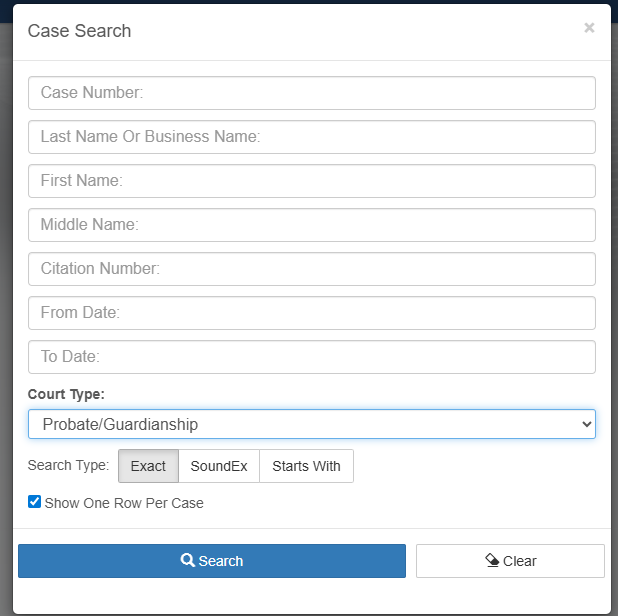
The system allows selection of case types. Users select probate, estate, or guardianship filters depending on the record type needed.
- Estate case records
- Will-related filings
- Guardianship cases
- Executor records
Enter the name of the deceased person
A name-based search is one of the most used methods in a collier county probate court records search. Full legal name entry improves match results.
- Full name
- Middle initials
- Alternate spellings
Use case number search for direct results
When a case number is available, it provides direct results without broad filtering. Each probate filing has a unique case identifier in the system.
- Estate administration files
- Court orders
- Inheritance documents
Apply filters for case type
Filters narrow results inside the public records database. Users separate estate, will, and guardianship matters for clearer results.
- Probate estate cases
- Will validation cases
- Guardianship filings
Review court docket entries
After selecting a case, the court docket search view shows all filings linked to the estate. This includes motions, orders, and recorded updates.
- Filing history
- Hearing entries
- Executor actions
- Case progress notes
Custody and Special Probate Cases
Custody and special probate cases in Collier County involve sensitive court matters where protection, care, and small claims court legal authority are assigned by the court. Custody records collier county often relate to minors, elderly persons, or adults who cannot manage personal or financial decisions. These matters fall under probate court custody cases when linked with guardianship or estate responsibility decisions. In many situations, the court evaluates petitions, reviews supporting documents, and ensures that appointed guardians act in the best interest of the individual under care. These records may also include ongoing supervision details, financial reporting, and court-approved care arrangements. Such cases are handled with strict confidentiality and legal oversight to protect vulnerable individuals and ensure fairness in all rulings and responsibilities assigned by the court system.
Custody Court Records Overview
Custody and special probate cases in Collier County involve sensitive court matters where protection, care, and legal authority are assigned by the court. Custody records collier county often relate to minors, elderly persons, or adults who cannot manage personal or financial decisions. These matters fall under probate court custody cases when linked with guardianship or estate responsibility decisions. In many situations, the court evaluates petitions, reviews supporting documents, and ensures that appointed guardians act in the best interest of the individual under care. These records may also include ongoing supervision details, financial reporting, and court-approved care arrangements. Such cases are handled with strict confidentiality and legal oversight to protect vulnerable individuals and ensure fairness in all rulings and responsibilities assigned by the court system.
- Court-appointed custody arrangements
- Parenting responsibility orders
- Visitation schedules and rulings
- Supporting probate court custody cases
Minor and Elderly Protection Cases
These cases ensure legal responsibility is assigned to a qualified guardian who can make decisions regarding healthcare, finances, and daily living needs. The court carefully reviews petitions, evaluates supporting documents, and may appoint a legal representative or conservator when necessary. Regular monitoring and reporting are often required to protect the interests of the individual under guardianship. This system helps prevent exploitation, neglect, or mismanagement of assets while ensuring vulnerable persons receive proper care and supervision under ongoing judicial oversight within a structured and legally enforced court framework as required law.
- Minor guardianship appointments
- Elderly care supervision orders
- Financial protection arrangements
- Court-appointed Custody files for dependents
Mental Incapacity Estate Rulings
When a person is found mentally incapacitated, the court may assign a guardian to manage personal and financial matters. These rulings are part of probate records and involve detailed court evaluation… During this process, the court reviews medical reports, testimony from family members, and expert evaluations to determine the extent of incapacity. The appointed guardian is required to act in the best interest of the individual and must regularly report to the court regarding financial decisions, healthcare arrangements, and living conditions. This oversight ensures accountability and protects vulnerable individuals from exploitation while maintaining their legal rights and dignity under state probate law and judicial supervision. Courts may modify or terminate guardianship if circumstances change or recovery is demonstrated clearly over time.
- Medical evidence reviewed by the court
- Appointment of legal guardians
- Control over estate administration files
- Oversight of financial decisions and assets
Confidential Probate
Courts may seal such records to protect the identities of involved parties and ensure compliance with applicable state privacy regulations. Access is typically restricted to authorized individuals such as attorneys, guardians, or court officials. In some instances, judges may review requests for limited disclosure when there is a legitimate legal need. This confidentiality helps prevent misuse of personal information while maintaining fairness in proceedings. It also ensures that sensitive details do not become part of the public record unnecessarily. Courts balance transparency with privacy to uphold justice effectively today system.
- Sealed custody records collier county
- Restricted inheritance cases
- Sensitive guardianship disputes
- Protected estate filings
Online and Offline Probate Record Search
Collier County probate court records can be searched through both digital systems and physical courthouse methods. A Collier County, Florida, USA probate court records search online helps users find estate files, wills, and guardianship cases through a digital portal. Offline methods still exist through courthouse archive search, mail requests, and in-person visits for older or restricted files stored in manual filing system records. Additionally, the Clerk of Court may require basic details such as case numbers, party names, or filing dates to locate specific probate documents more efficiently. Some records may also involve processing fees, identification verification, or limited access depending on confidentiality rules. Older archives are often indexed separately, so retrieval times can vary. Users may also request certified copies for legal use, which ensures authenticity and official court validation of the documents obtained.
Online Database Search Process
Online search is the fastest way to review probate records in Collier County. The system provides digital court records through the clerk’s official portal. Users can access case files, docket details, and related probate documents by entering basic search information such as party names, case numbers, or filing dates. This online system reduces the need for in-person visits and speeds up record retrieval. It also helps attorneys, researchers, and residents track ongoing or past probate matters efficiently. Most records are updated regularly to ensure accuracy and transparency within the county court system making it a reliable source for legal and historical case information across the county for public access and research purposes online portal.
- Open the official clerk website
- Enter name or case number
- Select probate or estate category
- Review court docket search results
- Open available case files
Clerk Office In-Person Search
In-person search is used for records not fully digitized or when certified copies are needed. Users visit the clerk office to request probate files directly. This method allows access to original documents, archived case materials, and records that may not be available online due to privacy or age restrictions. Staff at the office assist in locating specific files using case numbers, party names, or filing dates. Identification may be required, and small processing fees can apply for copies or certifications. This process is especially useful for legal professionals and individuals needing official, verified documentation for court or administrative purposes.
- Visit Collier County Clerk office
- Provide case details or party name
- Request probate file lookup
- Review physical estate administration files
- Request copies if required
Mail Request
Some probate records can also be requested through mail. This method is useful when online access is limited or physical visit is not possible. Applicants typically need to send a written request form along with required case details such as names, case numbers, and relevant dates to ensure accurate retrieval. In many cases, a processing fee and a self-addressed stamped envelope are also required for returning certified copies. Mail requests may take longer than online or in-person searches, but they remain a reliable option for obtaining official probate documents securely and through a documented formal record request process from the court office.
- Write a formal request with case details
- Include full name of deceased person
- Add case number if available
- Submit request to clerk office address
- Wait for mailed response or copies
Public Access Rules for Probate Records
Probate records in Collier County are generally open to the public under Florida law, but some files remain restricted for privacy reasons. probate records collier county fl access depends on the type of case, court order, and sensitivity of the information. Many estate filings are viewable, while confidential court files and sealed documents stay limited to authorized users.. Researchers and attorneys can obtain probate records through Collier County Clerk of the Circuit Court, either online through official search systems or by visiting the courthouse in person. Requesters may need case numbers, party names, or filing dates to locate documents efficiently. Some copies may require nominal fees for certification or printing. Processing times vary depending on request volume, and older archives may take longer to retrieve from storage facilities, especially for complex estate or guardianship cases requiring review. Access rules strictly follow Florida statutes and court confidentiality requirements standards.
Which Records Are Public
Most probate case documents are part of the public record system. These files can be reviewed through online or courthouse systems without special permission. Additional access is usually provided by the county clerk or court administration offices, which maintain organized indexes for easier searching of wills, estate filings, and related legal proceedings. In many jurisdictions, users can search by case number, party name, or filing date. However, some sensitive details such as protected heirs, minor beneficiaries, or sealed documents may be restricted by law. This ensures transparency while still maintaining privacy protections where required under state probate regulations.
- Estate case filings and petitions
- Final court orders and judgments
- Will filings after admission to probate
- Basic inheritance cases and summaries
- Executor records and appointments
Which Records Are Restricted or Sealed
Some probate documents are not available for general viewing. These restricted estate records protect privacy in sensitive legal matters. They are often sealed by the court to safeguard personal and financial information related to deceased individuals, heirs, and beneficiaries. Access is typically limited to authorized parties such as attorneys, estate executors, or individuals with a valid court order. This restriction helps prevent identity misuse, fraud, and unnecessary public exposure of private family affairs. In many cases, records involving minors, ongoing disputes, or confidential settlements are also kept private to maintain legal integrity and ensure fair proceedings within the probate system.
- Minor guardianship financial details
- Mental health or incapacity evaluations
- Sealed inheritance disputes
- Confidential court files ordered by judge
- Sensitive financial account information
Florida Public Records Law
Florida follows strong public records laws that allow public access to most court documents. Probate records fall under this system, but exemptions exist for private or sensitive material. In addition, access to these records is governed by state transparency regulations that balance public interest with individual privacy rights. Certain documents, such as those involving minors, sealed estates, or ongoing legal disputes, may be restricted by court order. Users can typically request probate information through official clerk offices or online databases.
- Most court filings are public by default
- Sealed records require court authorization
- Sensitive estate data may be redacted
- Judges can restrict access when necessary
Who Can Access Sensitive Estate Files
Access to confidential probate records is limited to specific individuals with legal authority or valid interest in the case. These restrictions are in place to protect the privacy of sensitive estate matters, including inheritance details, wills, and family financial information. Only parties such as executors, appointed administrators, attorneys of record, and court-authorized individuals are typically permitted to view or request these documents. In some situations, a court order may be required to gain access, depending on the nature of the information and applicable jurisdictional rules. This controlled access helps maintain confidentiality, prevent misuse of personal data, and ensure that probate proceedings are handled in accordance with legal and ethical standards established by the court system.
- Estate executors and administrators
- Court-appointed guardians
- Attorneys involved in the case
- Direct heirs or beneficiaries (in some cases)
- Individuals with court permission
Location & Contact Information
The Collier County Clerk of Court manages probate records through its official courthouse records office. The probate office collier county handles estate filings, court documents, and public record requests related to wills, guardianship, and inheritance matters. Users searching collier county probate court contact details can reach the clerk office through phone, mail, or in-person visits for probate assistance. It also provides guidance on filing requirements, fees, and required documentation for probate cases. Additionally, the office ensures all records are properly indexed and preserved for legal verification, helping attorneys, families, and researchers access accurate and up-to-date probate information efficiently when needed.
Collier County Clerk of Court Office Address
The main courthouse location serves as the central point for probate filings and record requests. estate administration files and court records are processed here. It handles essential matters such as wills, guardianship cases, and estate settlements, ensuring all documents are properly reviewed and stored. This location handles probate court records, civil filings, and official court document storage. Collier County Clerk of the Circuit Court & Comptroller
- Primary Office Address: 3315 Tamiami Trail East Naples, FL 34112, United States
- Main Contact Number: (239) 252-2646
Frequently Asked Questions
This section answers common questions about probate case lookup and estate record access in Collier County. A collier county probate court records search helps users locate wills, estate filings, and guardianship documents through official systems. inheritance records search collier county tools also support checking case updates, document availability, and probate status.
How do I search probate records in Collier County?
Probate records in Collier County can be searched through the official clerk system using basic case details. A collier county probate court records search usually starts with the deceased person’s name or a case number. Users can also refine results using estate or guardianship filters. The court docket search helps show filings, hearings, and estate activity in one place. This process supports quick probate case lookup and helps locate inheritance-related documents without visiting the courthouse.
Are probate records public in Florida?
Most probate records in Florida are public and can be reviewed through official court systems. These records include wills, estate filings, court orders, and executor details. However, some confidential court files remain restricted by law, especially cases involving minors or sensitive financial data. Judges may seal certain documents to protect privacy. Public access depends on the case type and court decision, but general estate record access is allowed in most standard probate matters.
Can I find wills online?
Yes, many wills become available online after they are submitted and accepted in probate court. Through the official records system, users may view scanned wills, estate case files, and related court documents. Availability depends on case status and legal restrictions. Some wills may remain private until the probate process advances or the court allows release. Online systems make it easier to check inheritance records search collier county details without needing physical courthouse visits.
How do I get estate case copies?
Estate case copies can be requested through the clerk’s online portal, mail, or in-person courthouse visit. Users must provide case numbers or names for accurate retrieval. Certified copies may include wills, probate filings, or inheritance documents. Some records may require small fees depending on document type. The clerk office processes requests and provides official copies for legal, personal, or financial use related to estate cases.
How long does probate take?
Probate duration in Collier County depends on estate size, debt issues, and court involvement. Simple estates may close within a few months, while complex or disputed cases can take longer. Delays often happen due to missing documents, creditor claims, or court scheduling. Each estate follows its own legal process, so timelines vary based on case complexity and required court actions.